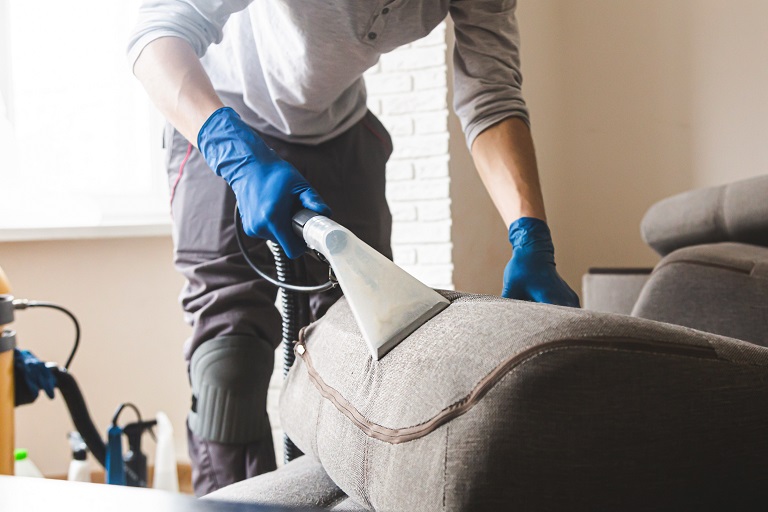

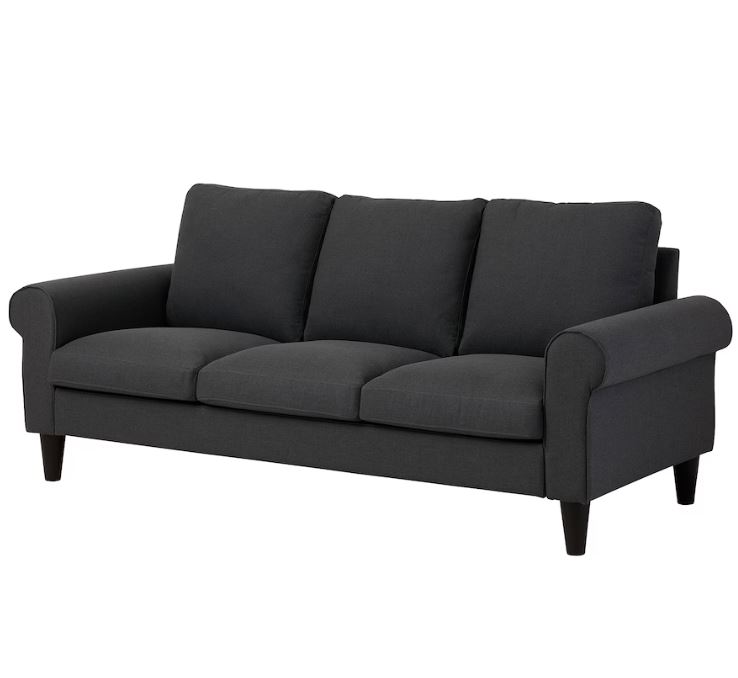
In today’s design-conscious world, sustainability has emerged as a driving force in home décor, and sofa upholstery is no exception. Modern homeowners are increasingly aware of the environmental and health impacts of their choices, which has led to a surge in eco-friendly and sustainable sofa upholstery. No longer limited to aesthetics alone, sofas are now being crafted with materials and techniques that prioritize both style and sustainability.
This trend reflects a broader shift toward conscious living—where furniture is not just functional, but also ethically produced, environmentally responsible, and designed to last. In this article, we’ll explore the rise of sustainable sofa upholstery, the materials and innovations fueling this movement, and how homeowners can make smarter, greener choices for their living spaces.
Why Sustainable Sofa Upholstery Matters
Sofa upholstery traditionally involves materials and production methods that can negatively affect the environment. Synthetic fabrics, chemical dyes, and mass-produced foam contribute to pollution and waste. Choosing eco-friendly upholstery reduces these impacts, offering multiple benefits:
Environmental Responsibility: Sustainable fabrics often use renewable resources, recycled materials, or low-impact dyes.
Health and Safety: Many conventional upholstery materials contain toxic chemicals, which can affect indoor air quality. Sustainable alternatives prioritize non-toxic, hypoallergenic fabrics.
Longevity: High-quality eco-friendly upholstery tends to be more durable, reducing the need for frequent replacements and minimizing waste.
By choosing sustainable options, homeowners contribute to a healthier environment while enjoying furniture that is stylish, comfortable, and built to last.
Key Materials in Eco-Friendly Sofa Upholstery
Organic Cotton and Linen
Organic cotton and linen are cultivated without synthetic pesticides or fertilizers, making them safer for both the environment and your home. These fabrics are breathable, soft, and naturally hypoallergenic, offering a healthy option for sofas and cushions.
Recycled Fabrics
Innovative designers are turning post-consumer materials into high-quality upholstery. Recycled polyester, often sourced from plastic bottles, is durable, versatile, and available in a wide range of textures and colors. This approach reduces landfill waste while delivering attractive, modern designs.
Hemp and Jute
Hemp and jute are strong, fast-growing plants that require minimal water and pesticides. Sofas upholstered with these materials are not only sustainable but also bring a natural, earthy aesthetic to living spaces.
Natural Leather Alternatives
Traditional leather production involves significant environmental costs, from livestock farming to tanning chemicals. Eco-friendly alternatives, such as vegetable-tanned leather or innovative materials like mushroom leather and pineapple fiber (Piñatex), offer a cruelty-free, sustainable choice without compromising luxury or durability.
Non-Toxic Dyes and Finishes
Sustainable upholstery often uses natural dyes derived from plants or minerals, avoiding harmful synthetic chemicals. These dyes produce rich, lasting colors without contributing to water pollution.
Trends Driving Sustainable Sofa Upholstery
Minimalism and Timeless Design
Homeowners increasingly prefer minimalistic designs with classic shapes and neutral colors. This approach encourages longevity, as timeless styles are less likely to go out of fashion, reducing the temptation to replace sofas frequently.
Modular and Multi-Functional Sofas
Modular sofas and multi-functional designs are gaining popularity because they adapt to changing living spaces and family needs. A sofa that can be reconfigured or expanded grows with the household, minimizing furniture waste over time.
Upcycling and DIY Upholstery
The upcycling movement has also reached sofa upholstery. Repurposing old sofas with new, eco-friendly fabrics allows homeowners to refresh their furniture while reducing waste. DIY projects often combine creativity with sustainability, giving unique character to every piece.
Collaborations with Sustainable Brands
More furniture brands are committing to sustainable practices, using responsibly sourced wood, recycled materials, and ethical labor. Partnering with such brands ensures that your sofa is part of a broader movement toward greener living.
Benefits of Choosing Eco-Friendly Sofa Upholstery
Environmental Impact: Choosing sustainable fabrics reduces deforestation, water pollution, and landfill waste.
Healthier Living Spaces: Non-toxic materials improve indoor air quality, reducing exposure to allergens and harmful chemicals.
Cost-Effectiveness Over Time: Durable, high-quality upholstery lasts longer, meaning fewer replacements and less long-term expenditure.
Unique Aesthetic Appeal: Many sustainable materials, such as reclaimed or plant-based fabrics, provide distinctive textures and patterns, enhancing your home’s style.
How to Incorporate Sustainable Upholstery Into Your Home
Assess Your Lifestyle Needs: Consider durability, stain resistance, and family or pet requirements when selecting fabrics.
Mix Eco-Friendly Fabrics: Combine organic cotton, hemp, or recycled polyester with sustainably sourced leather alternatives for a layered, stylish look.
Support Ethical Brands: Choose furniture companies committed to sustainability, fair labor, and environmentally friendly practices.
Refresh Existing Sofas: Instead of replacing furniture, reupholster old sofas using eco-friendly fabrics to give them a new lease on life.
Conclusion
The rise of eco-friendly and sustainable sofa upholstery Abu Dhabi reflects a growing awareness of how our furniture choices impact the planet and our health. From organic fabrics and recycled materials to innovative leather alternatives and non-toxic dyes, homeowners now have more options than ever to furnish their spaces responsibly.
Investing in sustainable upholstery not only contributes to a healthier environment but also creates living spaces that are stylish, comfortable, and long-lasting. By embracing these trends, modern homeowners can enjoy the perfect balance of design, durability, and environmental responsibility—proving that luxury and sustainability can go hand in hand.