

In an emergency, clear communication can mean the difference between life and death. First responders must stay connected as they move through every corner of a structure—but thick concrete, metal framing, and other building materials can create radio “dead zones” that weaken or block signals. A Bi-Directional Amplifier (BDA) system ensures strong, consistent in-building Radio Frequency (RF) coverage by boosting signals where they’re needed most. Below are four essential points to understand when selecting a BDA system for any facility.
Key Benefits of a BDA System
A BDA system plays a vital role in enhancing life safety and supporting seamless emergency response operations. Here are the top advantages:
Safety – Also known as an Emergency Responder Communication Enhancement System (ERCES), a BDA improves critical radio coverage to support life-safety efforts. It helps emergency teams detect issues and remain informed during critical moments.
Peace of Mind – Building owners, occupants, and emergency personnel can trust that the system will help minimize risks, reduce confusion, and support safer outcomes.
Clear Communication – A BDA eliminates dead zones so first responders can coordinate effectively in real time, ensuring that crucial information reaches the right people without interruption.
How a BDA System Works
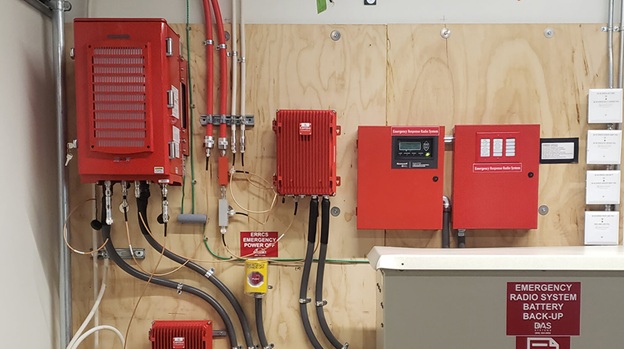
A BDA system uses several interconnected components designed to strengthen radio signals inside structures with weak coverage. These core elements work together to maintain reliable communication:
Bi-Directional Amplifiers (BDA) – These amplifiers boost signals traveling between the building, mobile devices, radio networks, and repeaters. They enhance both inbound and outbound signals at the same time.
Donor Antenna – Typically mounted on the rooftop, this antenna exchanges signals with nearby radio towers or repeater sites and feeds them into the system.
Distributed Antenna System (DAS) – Connected to the amplifier through coaxial cables, this network of antennas distributes enhanced signals throughout the building.
Uninterrupted Power Supplies (UPS) – In a power outage, battery backup keeps the system functioning so communication remains active during critical situations.
Alarm Communicator – This device continuously monitors system health and alerts emergency personnel when performance issues arise.
Wiring – Coaxial cables, connectors, and splitters link the donor antenna, amplifier, and distributed antennas to ensure full coverage vertically and horizontally.
Which Buildings Require a BDA System?
Any large or complex commercial structure with limited radio coverage may require a BDA system. Examples include:
- Multi-story residential buildings
- Schools and universities
- Stadiums and arenas
- Government facilities
- Hospitals and medical centers
Coverage needs vary, and some facilities may need multiple amplifiers. To confirm whether a BDA is required, the local Authority Having Jurisdiction (AHJ) will conduct testing and provide guidance.
Understanding Code Requirements
BDA systems help buildings meet the Emergency Responder Radio Coverage (ERRC) code, which mandates adequate radio coverage for emergency personnel in new construction and certain existing structures. Compliance helps protect occupants and supports reliable communication during an emergency. Always check with the AHJ to verify requirements, permits, and testing protocols.
Conclusion
Emergency responders rely on dependable communication to protect lives, manage crises, and prevent further damage. A Bi-Directional Amplifier (BDA) system ensures strong, consistent radio signal coverage from the top floor to the lowest level of a building. Installing one not only enhances safety and reduces risks but also offers peace of mind to building owners and occupants alike.