
The art and science of kitchen cabinet carpentry has evolved considerably from the simple cupboards of earlier generations, transforming into a discipline that merges engineering precision with aesthetic sensibility. In Singapore, where kitchens often occupy compact spaces yet must accommodate the diverse cooking traditions of multiple cultures, custom cabinetry represents not merely a design choice but a practical necessity. The difference between a kitchen that functions smoothly and one that frustrates daily becomes apparent in the details: the placement of a spice drawer, the height of an overhead cabinet, the pull-out mechanism that transforms a deep corner into accessible storage.
Understanding Custom Kitchen Cabinetry
The decision to invest in custom cabinetry rather than selecting ready-made units marks a turning point in how one approaches kitchen design. Standard cabinets, manufactured in predetermined dimensions, force homeowners to adapt their needs to available options. Custom cabinet carpentry, by contrast, begins with the space itself and the people who will use it.
Consider the typical Singaporean kitchen, which must accommodate not only Western cooking appliances but also rice cookers, slow cookers, air fryers, and specialised equipment that reflects the nation’s culinary diversity. Standard cabinetry rarely anticipates these needs. Custom work creates designated spaces for each item, with electrical outlets positioned precisely where needed.
The Design Process: From Concept to Installation
Successful kitchen cabinet carpentry begin with thorough consultation. Experienced craftspeople ask probing questions: How many people cook simultaneously? Does the household prepare elaborate meals or favour quick preparations? Are there specific cultural cooking practices requiring accommodation?
These conversations inform initial designs, typically presented through detailed drawings or three-dimensional renderings. Modern software allows clients to visualise proposed cabinetry within their actual kitchen space, adjusting configurations before any wood is cut.
The construction phase follows established sequences:
- Precise measurement of the existing kitchen space, accounting for uneven walls and floors
- Selection of materials, hardware, and finishes
- Workshop fabrication of cabinet boxes, doors, and drawer fronts
- Preparation of the installation site
- Installation of base cabinets, followed by upper units
- Fitting of hardware, adjustment of doors and drawers for perfect alignment
- Final inspection and touch-up work
“Quality kitchen cabinet work reveals itself in the details invisible to casual observers,” as master craftspeople often note. The true test comes in years of daily use, when well-constructed cabinets continue operating smoothly whilst poorly made units sag and deteriorate.
Material Selection for Tropical Climates
Singapore’s climate presents unique challenges for cabinetry. High humidity levels cause wood to expand and contract, potentially warping doors and creating gaps. Temperature fluctuations between air-conditioned interiors and ambient heat stress materials and adhesives.
Solid hardwoods, whilst beautiful, require proper seasoning and sealing to perform reliably in tropical conditions. Marine-grade plywood offers excellent stability and moisture resistance. For door fronts, medium-density fibreboard provides a smooth surface for painted finishes whilst resisting warping.
Hardware selection proves equally critical. Premium hinges, drawer slides, and soft-close mechanisms withstand daily use. Stainless steel and powder-coated finishes resist corrosion in humid conditions. These components prevent the frustration of drawers that stick and doors that sag.
Maximising Storage Through Intelligent Design
The hallmark of exceptional custom kitchen cabinetry lies in its ability to extract maximum utility from available space. Corner cabinets transform through lazy Susan mechanisms or pull-out shelving systems. Deep drawers with internal dividers organise pots and pans logically. Vertical dividers create slots for baking sheets and cutting boards.
Overhead cabinets extending to the ceiling eliminate dust-collecting gaps whilst providing storage for infrequently used items. Toe-kick drawers utilise space typically wasted beneath base cabinets. Pull-out pantry units bring deep storage into easy reach. Each innovation addresses specific storage challenges whilst maintaining aesthetic coherence.
Style and Finish Considerations
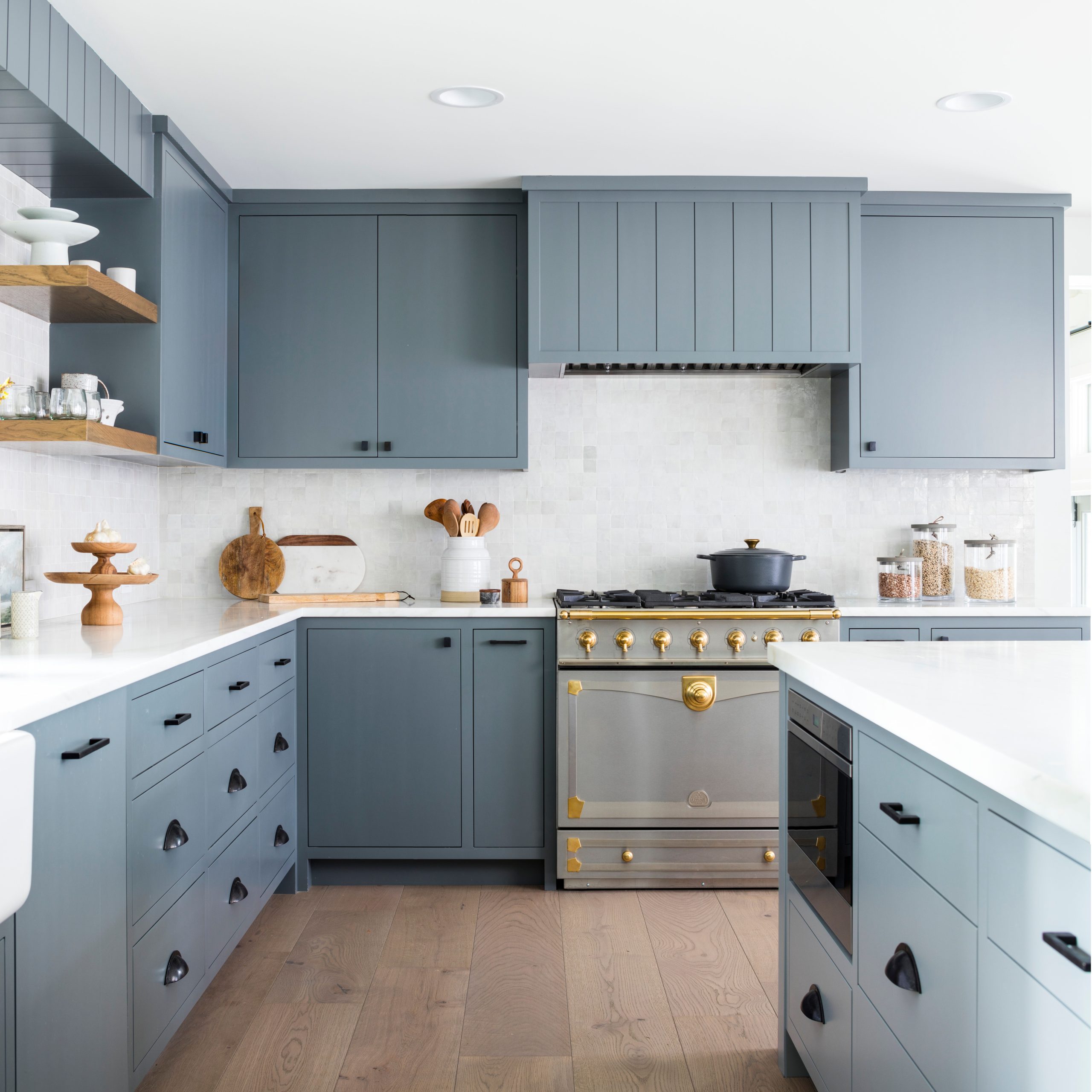
Kitchen cabinetry establishes the visual character of the entire space. The range of available styles accommodates diverse preferences, from traditional raised-panel doors to sleek contemporary flat panels. Shaker-style doors, with their timeless simplicity, bridge traditional and modern aesthetics effectively.
Finish options span an equally broad spectrum. Natural wood finishes showcase grain patterns and bring warmth. Painted cabinets in crisp white create clean, bright environments. Two-tone combinations add visual interest whilst maintaining sophistication. The choice depends upon overall kitchen design, lighting conditions, and personal preference.
The Investment in Quality
Kitchen cabinet carpentry services represent substantial investment, typically commanding a significant portion of renovation budgets. Yet this expenditure proves justified when considered against the alternative. Quality custom cabinetry lasts decades, often outliving multiple generations of appliances. It increases property value substantially, frequently becoming a decisive factor in home sales.
Moreover, well-designed cabinetry enhances daily life in ways difficult to quantify financially. The cook who reaches effortlessly for frequently used items, who finds everything organised logically, experiences benefits that accumulate across years of use.
Maintenance and Longevity
Proper maintenance extends cabinet life considerably. Regular cleaning with appropriate products prevents buildup that degrades finishes. Immediate attention to spills protects wood from moisture damage. Periodic adjustment of hinges and drawer slides maintains smooth operation.
The transformation of a kitchen through expertly executed kitchen cabinet carpentry demonstrates how thoughtful design and skilled craftsmanship create spaces that serve practical needs whilst elevating everyday experiences, proving that the best kitchens emerge from careful attention to how people actually cook and move through these essential domestic spaces.