

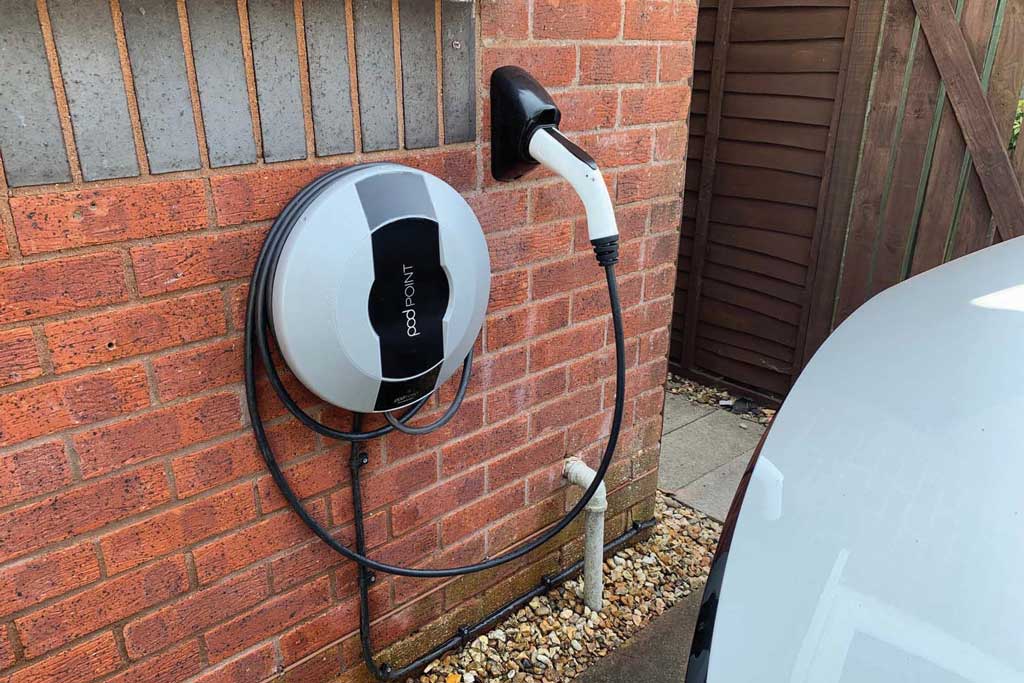
As electric vehicles (EVs) become increasingly popular in Austin, Texas, many homeowners are exploring the convenience of installing an EV charger at home. But if you live in an older home, there are some important considerations to ensure your new charger works safely and efficiently. Installing an EV charger isn’t just about plugging in a device-your home’s electrical system must be prepared to handle the load. In this post, we’ll cover the essential accommodations homeowners need, why DIY installation can be risky, and how an experienced EV charger electrician can ensure a safe and code-compliant setup.
Understanding Electrical Needs for EV Chargers
Most EVs require a Level 2 charger to achieve practical charging times, which typically requires a 240-volt circuit. Older homes in Austin, Texas may have electrical panels that were designed decades ago, often with limited capacity for additional circuits. Before installation, it’s crucial to determine whether your current electrical system can handle the increased demand.
A licensed EV charger electrician can evaluate your home’s electrical panel and determine whether an upgrade is necessary. This is particularly common in homes built before the 1990s, where electrical panels may not have enough space or amperage to safely support a high-capacity charger. Attempting to install an EV charger on an outdated system without professional guidance can lead to circuit overloads, tripped breakers, or even electrical fires.
Upgrades Your Home Might Need
For many older Austin homes, installing an EV charger might require one or more of the following upgrades:
- Electrical Panel Upgrade:
If your current panel can’t handle the additional load, an upgrade to a higher amperage panel may be necessary. A professional EV charger electrician can assess whether your panel has the capacity or needs a complete replacement. - Dedicated Circuit Installation:
EV chargers require their own dedicated circuit to operate safely. This prevents interference with other household appliances and reduces the risk of electrical hazards. - Wiring Considerations:
Depending on your home’s existing wiring, the electrician may need to install new wiring rated for higher amperage to accommodate the charger. Older homes often have wiring that isn’t sufficient for modern EV chargers. - Permits and Inspections:
Texas law requires certain electrical work, including EV charger installations, to be performed by licensed electricians and to pass inspection. A reputable EV charger electrician will handle the permits and ensure the installation meets all local electrical codes.
Why DIY Installation Isn’t Recommended
Some handy homeowners may consider installing an EV charger themselves, but this type of project comes with significant risks. Installing a high-voltage device incorrectly can lead to serious consequences:
- Electrical Shock: 240-volt circuits carry a high risk of shock if not handled properly.
- Code Violations: Improper installations can violate city codes, which can lead to fines or complications when selling your home.
- Fire Hazards: Overloading your electrical system can result in overheating wires or panels, increasing the risk of fire.
A licensed EV charger electrician in Austin, Texas has the training and experience to perform the installation safely, ensuring all code requirements are met and minimizing any risk to your home and family.
Choosing the Right EV Charger Electrician in Austin, Texas
When selecting an electrician for your EV charger installation, consider these factors:
- Licensing and Insurance: Make sure the electrician is licensed in Texas and carries proper insurance.
- Experience with EV Chargers: Not all electricians are familiar with the specific requirements of EV charger installations. Look for someone who specializes in EV charging solutions.
- Local References: Austin homeowners often trust electricians with a proven track record in the community. Ask for references or read online reviews.
- Full-Service Installation: A good EV charger electrician will handle panel upgrades, wiring, permits, and inspection scheduling, providing a complete solution.
Benefits of Professional Installation
Hiring a licensed EV charger electrician provides peace of mind and ensures your installation is done safely and efficiently. Some benefits include:
- Optimal Performance: Proper installation ensures your charger works at full capacity and charges your EV efficiently.
- Safety Assurance: Reduces the risk of electrical hazards, protecting your family and home.
- Code Compliance: Ensures all work meets Texas and Austin electrical codes, including permitting and inspections.
- Long-Term Reliability: Professional installation minimizes future maintenance issues and keeps your home’s electrical system in top shape.
Conclusion
For Austin homeowners with older homes, installing an EV charger isn’t just a matter of convenience-it’s a task that requires careful planning and professional expertise. From evaluating your electrical panel to ensuring proper wiring and code compliance, the right accommodations are essential for safe usage.
While DIY projects can be appealing, installing a high-voltage EV charger is not a task to take lightly. Working with a licensed EV charger electrician ensures your installation is safe, reliable, and up to code. If you’re ready to power your EV at home without compromising your safety or home’s electrical system, contacting a trusted Austin electrician is the smartest move.
By taking these steps, you can enjoy the convenience of home charging while protecting your older Austin home for years to come.