
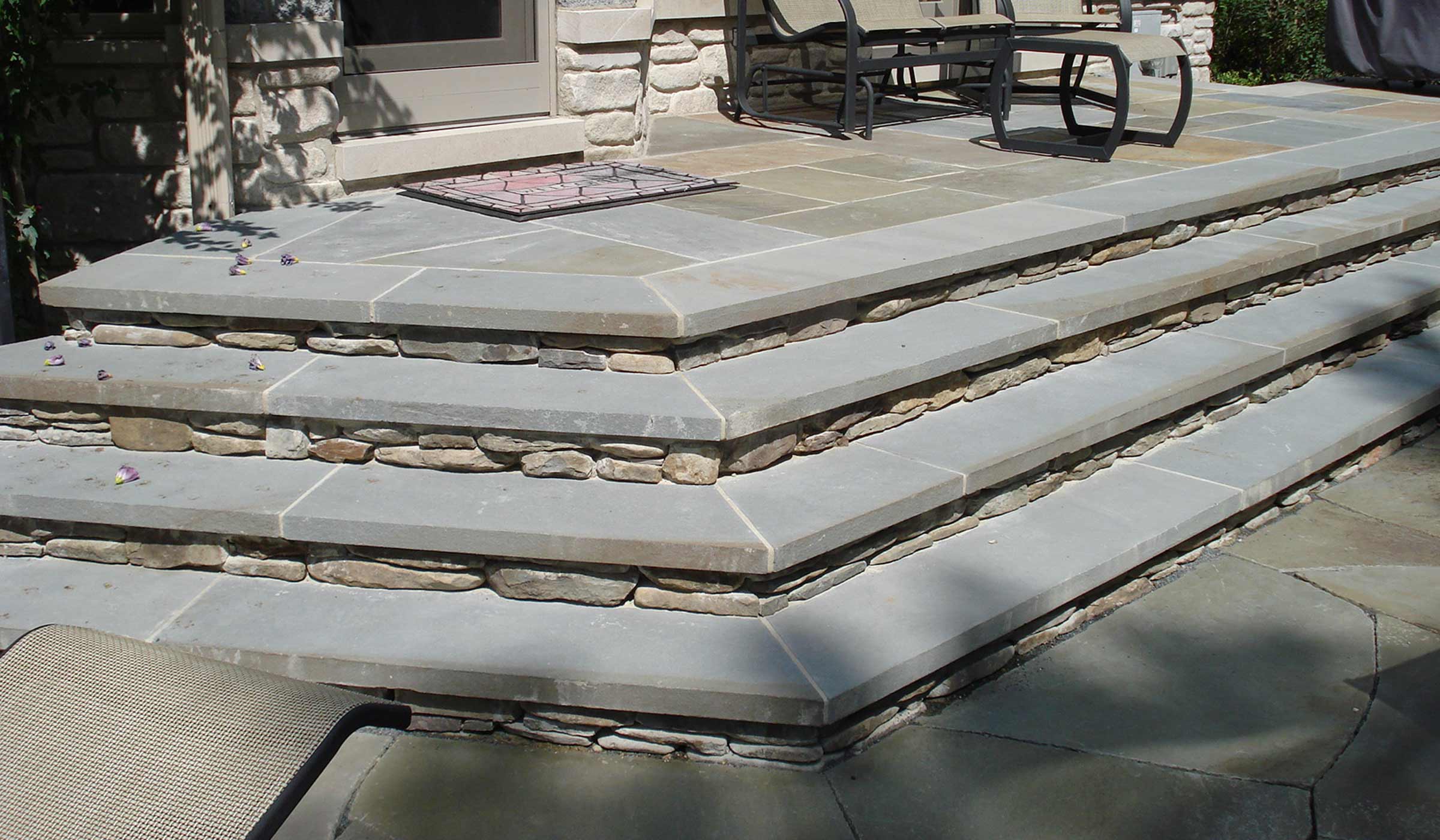
Bluestone stairs are one of the most attractive upgrades homeowners can make for their front entry, patio access, or landscape design. They offer a natural look, strong durability, and a level of curb appeal that many other materials cannot match. But before starting a project, most homeowners want to know the same thing: how much should they expect to spend?
The answer depends on several factors, including the size of the staircase, the type of stone, site conditions, labor, and the overall design. In North Jersey, pricing can vary significantly from one property to another, especially when projects involve custom layouts, grading work, or matching existing masonry.
This guide breaks down what affects bluestone stairs cost in 2026 and what homeowners should understand before requesting estimates.
Why bluestone stairs are priced higher than basic alternatives
Bluestone is considered a premium material for outdoor stair construction. It is valued not only for its appearance, but also for its strength and long lifespan. Compared with poured concrete or basic prefab steps, bluestone typically involves more detailed planning, higher material costs, and more skilled labor.
That higher price often reflects:
- Natural stone material costs
- Custom cutting and fitting
- Base preparation and structural support
- Skilled installation work
- Greater visual and long-term property value
In other words, homeowners are not just paying for steps. They are investing in a finished stone feature that can improve both function and appearance.
Average price range in North Jersey
In 2026, a typical bluestone stair project in North Jersey may range anywhere from a few thousand dollars for a smaller, straightforward installation to significantly more for custom or large-scale designs.
In general:
- Small basic projects may start around the lower end of the range
- Mid-size custom entry stairs often fall in the middle range
- Large, complex, or highly customized staircases can cost substantially more
The total cost depends on whether the project includes only the stairs or also includes landings, side walls, demolition, drainage work, railings, lighting, or connecting walkways.
Because each property is different, the best way to get accurate pricing is through an on-site estimate. Still, understanding the main cost drivers can help homeowners budget more realistically.
The biggest factors that affect pricing
1. Number of steps and overall size
The size of the staircase is one of the most important pricing factors. More steps usually mean more stone, more labor, and more base preparation. Wider stairs or designs with large landings also increase material and installation time.
A simple three-step front entry will cost far less than a full staircase connecting multiple elevations in a sloped yard.
2. Type and thickness of bluestone
Not all bluestone is priced the same. Cost can vary based on thickness, finish, color variation, cut style, and source. Thermal bluestone with a clean, uniform finish may be priced differently than natural cleft stone with a more textured appearance.
Thicker treads and higher-end stone selections usually raise the total investment, but they may also offer added durability and a more substantial finished look.
3. Site conditions and access
Site conditions have a major impact on cost. A level property with easy access for workers and materials is usually more affordable than a tight or sloped site that requires extra labor.
Pricing may increase if the project involves:
- Steep grades
- Uneven ground
- Tight access to the work area
- Removal of old stairs or damaged concrete
- Drainage issues that need correction
In North Jersey, many homes sit on sloped lots or older properties with challenging layouts, so site preparation can be a meaningful part of the total cost.
4. Base and foundation work
Bluestone stairs need a stable base to perform well over time. If the ground beneath the staircase is not properly prepared, shifting and settling can happen later. That is why quality contractors spend time creating the right foundation before the stone is installed.
This may include:
- Excavation
- Compacted gravel base
- Concrete footings or structural support
- Drainage solutions
While homeowners may focus on the visible stone, the hidden foundation work is just as important and directly affects the price.
5. Design complexity
Straight stairs with a simple layout are generally easier and less expensive to build. Costs rise when the design becomes more customized.
Examples of design elements that can increase pricing include:
- Curved stair layouts
- Large landings
- Custom side walls
- Decorative stone borders
- Matching risers, columns, or masonry accents
These features can produce a much more striking result, but they also require more labor and planning.
Labor costs and craftsmanship matter
One of the biggest differences between an average project and a standout one is workmanship. Natural stone installation requires precision. Proper spacing, leveling, drainage, and alignment all affect the finished product.
That is why labor is a significant portion of bluestone stair pricing. Hiring experienced professionals may cost more upfront, but it can help prevent costly issues later. Poorly installed stone stairs may shift, crack, or drain improperly, leading to repairs that could have been avoided.
When homeowners search for bluestone stairs installers near me, it is important to compare more than price alone. Experience, project quality, local expertise, and attention to site preparation all matter.
Additional features that may affect total cost
Many stair projects include upgrades beyond the stone itself. These extras can improve safety, appearance, and usability, but they also add to the total investment.
Common additions include:
- Railings
- Built-in lighting
- Adjacent walkways
- Retaining walls
- Stone veneer accents
- Landscaping restoration after installation
If you are comparing estimates, make sure you understand what is included and what is priced separately.
Is bluestone worth the cost?
For many homeowners, the answer is yes. While bluestone often costs more than basic alternatives, it offers several advantages that support its value over time. It is durable, visually appealing, and well suited to outdoor use in North Jersey’s climate. It can also elevate the overall appearance of the property in a way that standard materials often do not.
The value comes from more than durability alone. Bluestone can enhance curb appeal, complement other hardscape features, and create a more finished, higher-end look for the home.
How to budget smartly for a bluestone stair project
If you are planning a project this year, start by identifying your priorities. Decide whether your focus is on a simple functional stair replacement or a more custom exterior upgrade. Then request estimates from qualified local contractors who can inspect the site and explain the options clearly.
A good estimate should outline:
Understanding bluestone stairs cost ahead of time helps homeowners avoid surprises and plan for a project that fits both their goals and their property.
For North Jersey homes, bluestone remains one of the strongest choices for outdoor stairs because it combines durability, safety, and timeless design. The upfront investment may be higher than some alternatives, but when properly installed, it can provide long-term value that goes well beyond the initial price.
If you want a deeper explanation, you can check out this Top Bluestone Stairs Installation Service in North Jersey