

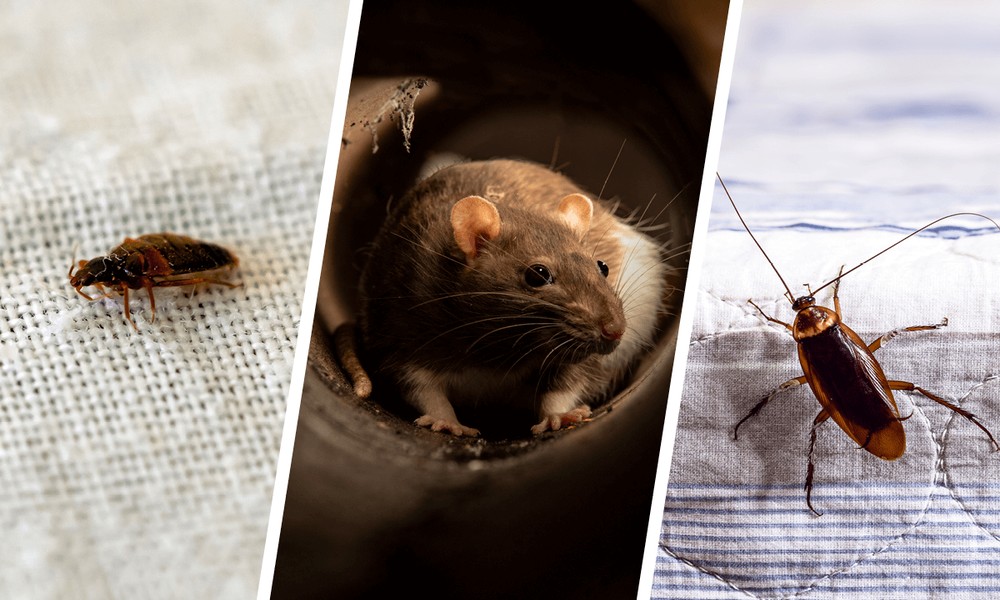
Located in Lewis County, Washington, Centralia sits between Seattle and Portland. Pest problems aren’t unusual here and are reported across neighborhoods like Edison, Logan District, and Hillview. Because of the city’s location within the Chehalis River Valley, there is persistent moisture. The city experiences high humidity, valley fog, and a high-water table, and these are all factors that make insects regular here.
As a homeowner, you should know what to expect each season, so that you know when to get help. There are professional services in Centralia, such as Pointepest.com, which have ongoing plans to counter seasonal problems. The Pointe team is also quick to respond when it comes to emergencies. Below is an overview of pests across the seasons.
Spring Swarming Phase
Once March arrives, increasing soil temperatures and spring rains trigger swarms of termites. You will find these pests that almost look like flying ants around windows, and this is a sign that a colony is looking for new nesting sites. Discarded wings near windows and mud tubes along exterior walls, and pencil-sized holes in wood are classic signs of termite infestations.
Between March and May, another threat in Centralia is carpenter ants, which start looking for wood damaged by moisture. You may spot large black ants in kitchens or bathrooms, near baseboards or in crawlspaces. Queen wasps and hornets also emerge around this time and build new nests.
Summer Stress
Summer in Centralia starts in June, and this is when odorous house ants move inside homes in search of food and hydration. These ants move fast, but don’t assume that just killing the visible ones alone will help. You could spread the infestation in new directions and rooms because foraging ants can smell these repellents. This effect is called budding.
As the outdoor insects increase, spider species, such as hobo spiders, become active and make webs around exterior lights, corners, and windows. Humidity inside the house can also attract roaches, which like moist areas like laundry rooms, bathrooms, and basements. Cockroaches leave droppings in cabinets and a distinct musty odor, and these are signs to check.
Fall Movement
For those who live in Centralia, finding house mice and deer mice in the fall isn’t rare. As temperatures change, rodents scout for winter shelter and use all possible gaps and cracks to reach the attic. Nocturnal scratching and odd sounds indicate their presence, and you may also find other signs, such as chewed food packaging and wires. You may also find boxelder bugs and stink bugs on sunny walls in the southern side of the house. Norway rats and roof rats are also active here and migrate from riverbanks and fields towards homes.
Winter Colonization
Pests that love moisture, such as silverfish and centipedes, are active in winter in interior areas, such as basements and bathrooms, where humidity is high. Mice and rats that enter in the fall eventually spend time nesting in attics and often reproduce extensively. You may find shredded paper and fabric, and continue to hear nighttime sounds. Keep an eye out for egg sacs left behind by spiders in crawlspaces and closets.
Takeaways
Homes here don’t just face seasonal pests but also neighborhood-related concerns, which is why one-time treatments and DIY remedies do not work. Most people who spend on regular sprays end up paying more frequently for urgent services. You need a partner who specializes in local biology and focuses on exclusion to contain sudden seasonal spikes. Make sure that the company offers IPM-guided pest control in Centralia, so that there is reduced risk of exposure to chemicals. Also, ask the technicians about the dos and don’ts that you can follow to reduce infestation concerns.