
Plant with Quality Seed Potatoes.
Healthy planting material is the first step in a successful potato crop. Buy certified seed potatoes from a trusted garden supplier, since they tend to be a good choice for good growth and lower disease potential. Choose varieties that are adapted to your climate and growing season. Do not use potatoes with severe damage, mould, or rot.
A successful potato harvest also depends on understanding how the crop develops from planting through maturity. Paying attention to soil conditions, sunlight, watering, spacing, and the timing of hilling can help gardeners avoid common problems and encourage healthy tuber formation. For gardeners looking to build a more complete routine, a practical Potatoes Guide can provide useful context for choosing varieties, preparing the planting area, and caring for plants throughout the growing season.
Select a Sunny growing area.
Potatoes grow best in high amounts of sunlight every day. Select a garden site that gets 6 or more hours of direct sunlight. The soil should also be well-drained; if it is too moist, the tubers may rot. Do not go near areas where water pools after rain or from irrigation.
Properly prepare the soil.
Well-drained, fertile soil facilitates potato growth. Clear weeds, rocks and big clods from the soil before planting. Add compost or well-rotted organic matter to the soil to help its structure and fertility. Tubers should not be grown under compacted soil, as this may result in a reduction in tuber growth and more difficulty in harvesting.
Plant at the Right Depth
Plant seed potatoes about 3-5 inches deep, depending on soil conditions. Set eyes up and leave sufficient space between plants for good growth. Adequate spacing will allow proper ventilation and provide enough space for underground tubers to grow without competition.
Maintain Consistent Moisture
Regular watering is important, especially when plants are flowering and producing tubers. Do not overwater the soil; avoid getting the soil wet. Often, deep watering is more effective than regular shallow watering. Decrease watering as plants get closer to maturity with a special focus on reducing watering when foliage starts to yellow and die back.
Regularly fill in the Plants
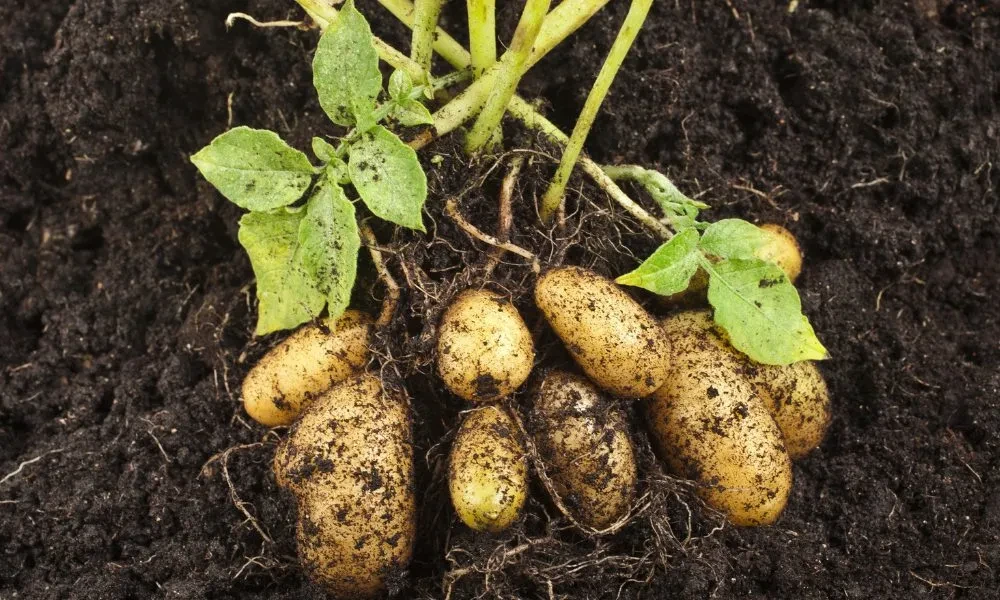
Hilling is the process of filling in around the growing potato plants. Start when several inches tall and keep adding soil as the plants grow. This keeps young tubers out of sunlight, helps prevent greening and gives more room for potato development. Hilling also provides some plant support.
Monitor for Pests and Diseases
Regularly check plants for insects, damaged leaves, discoloration or disease. Keep the garden clean to prevent weeds and dead plants from accumulating. Do not water leaves unless it is necessary. Too much moisture on the leaves will increase the chances of some fungal issues. Crop rotation of potatoes with other crops may also help to minimise the incidence of repetitive soil-borne diseases.
Harvest Carefully
The time for harvest is determined by whether you wish to harvest tender new potatoes or mature potatoes for storage. Potatoes can be harvested early if new and mature later when the foliage is naturally dead. Gently fork over with a garden fork or other appropriate tool so that you don’t cut into the tubers.
Properly store the harvest
When harvesting dry potatoes in a cool dark airy location. Gently handle them to avoid bruising. Keep potatoes in a dark and cool place with good ventilation. Place them out of direct sunlight as this can turn potatoes green.