
Systematic investigation into concrete roof leak repair reveals a complex interplay of material degradation, environmental factors, and structural vulnerabilities that demand methodical diagnosis before effective intervention can occur. Across Singapore’s residential and commercial buildings, concrete roofs face relentless assault from tropical weather patterns, and understanding the precise mechanisms of water infiltration proves essential to achieving lasting repairs rather than temporary fixes that merely postpone inevitable failure.
The Structural Reality of Concrete Roof Deterioration
Concrete, despite its reputation for durability, operates as a porous material vulnerable to water penetration through microscopic channels and larger structural defects. Singapore’s Building and Construction Authority records indicate that roof-related water ingress accounts for a substantial portion of building maintenance complaints, particularly in structures exceeding twenty years of age where cumulative environmental exposure has compromised protective systems.
The fundamental challenge lies in concrete’s thermal expansion and contraction cycle. Daily temperature fluctuations cause concrete slabs to expand during heat and contract during cooling, creating micro-cracks that propagate over time. When combined with Singapore’s average annual rainfall exceeding 2,400 millimetres, these fissures become conduits for water penetration that accelerates deterioration through freeze-thaw cycles and chemical reactions with embedded reinforcement steel.
Primary Causes of Concrete Roof Leakage
Investigation into concrete roof leak repair cases across Singapore reveals several recurring failure patterns:
- Waterproofing membrane degradation where protective coatings applied during construction break down under ultraviolet radiation exposure and thermal stress, typically within 10 to 15 years of application
- Structural cracking resulting from building settlement, seismic movement, or inadequate expansion joint provision during initial construction phases
- Drainage system failures including blocked scuppers, deteriorated gutter systems, and inadequate roof slope leading to water ponding that exceeds waterproofing system design parameters
- Penetration point vulnerabilities around pipes, vents, air conditioning units, and other roof-mounted equipment where sealant degradation permits water entry
- Concrete spalling caused by reinforcement steel corrosion that expands, cracking surrounding concrete and creating pathways for accelerated water infiltration
As one experienced concrete roof leak repair specialist observes, “Each leak tells a story about construction quality, maintenance history, and environmental exposure. Our role involves reading that story accurately before prescribing solutions.”
Methodical Assessment Procedures
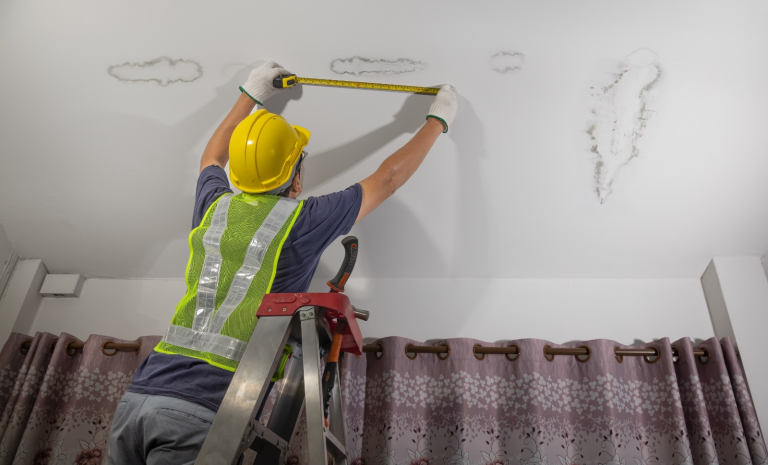
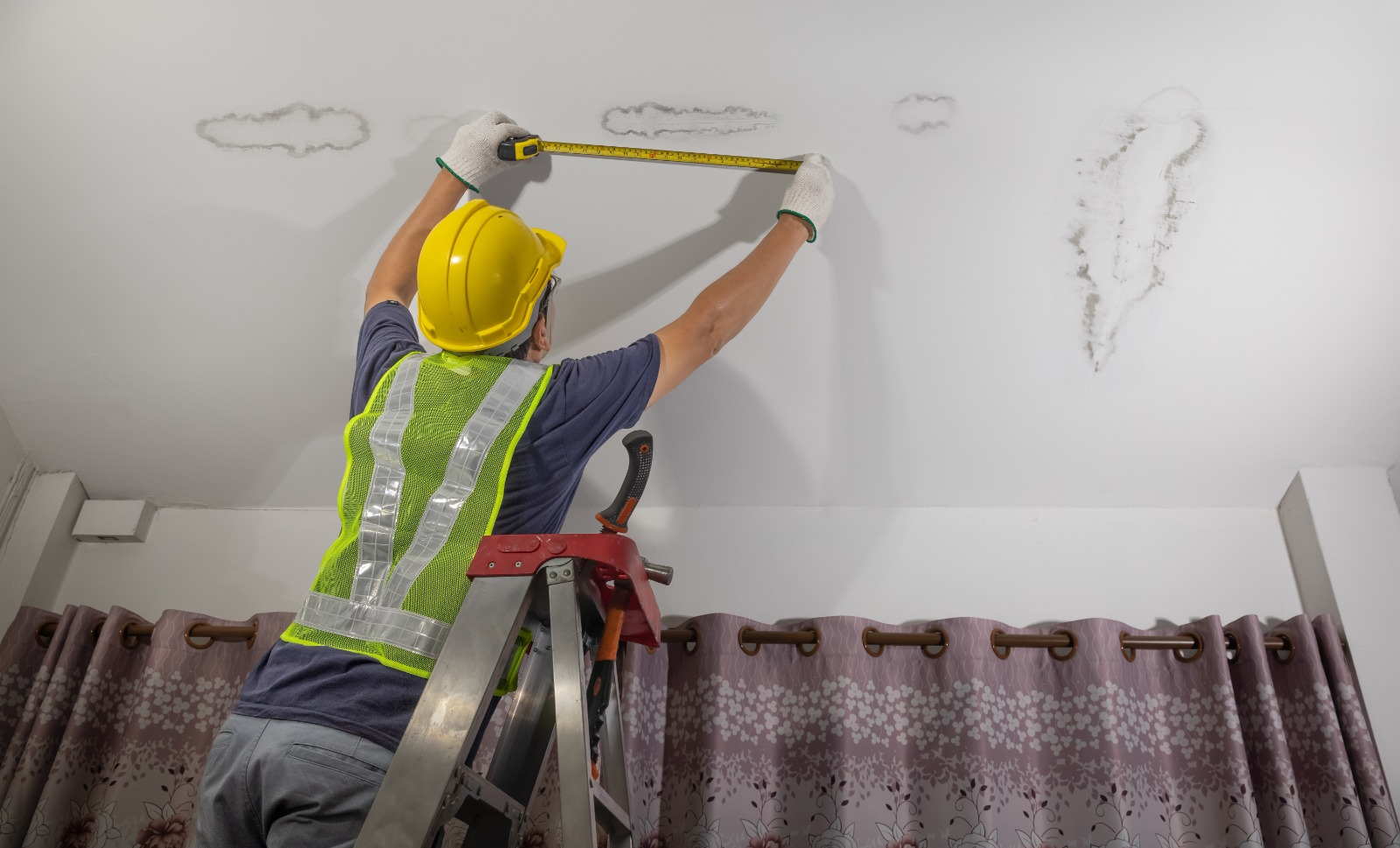
Professional diagnosis of concrete roof leakage follows established protocols designed to identify not merely symptoms but root causes. Initial assessment typically commences with comprehensive visual inspection documenting surface conditions, existing crack patterns, water staining evidence, and drainage system functionality.
Non-destructive testing methodologies prove invaluable for revealing hidden defects. Infrared thermography detects moisture trapped beneath roof surfaces by identifying temperature differentials invisible to visual inspection. Electronic moisture meters quantify water content within concrete, establishing baseline readings that guide repair scope determination. Ground-penetrating radar, whilst less commonly deployed, can identify subsurface voids and delamination between concrete layers that compromise structural integrity.
Core sampling provides definitive evidence of concrete condition, carbonation depth, and chloride contamination levels affecting reinforcement steel. Laboratory analysis of extracted cores yields data on compressive strength, porosity, and chemical composition that inform material selection for repair interventions.
Repair Methodology and Material Selection
Effective concrete roof maintenance requires matching repair strategies to specific failure mechanisms. Surface crack repair employs several approaches depending on crack width and structural significance. Hairline cracks under 0.3 millimetres often respond to penetrating sealers or flexible coating systems that accommodate minor movement whilst preventing water ingress.
Wider structural cracks demand more intensive intervention:
- Epoxy injection for cracks requiring structural bonding where movement has ceased and rigid repair proves appropriate
- Polyurethane injection for active cracks subject to ongoing movement, providing flexible seal that accommodates continued structural behaviour
- Routing and sealing where crack width exceeds injection capacity, involving mechanical widening to create reservoirs for sealant materials
Comprehensive waterproofing system restoration typically involves complete removal of failed membranes, surface preparation through mechanical grinding or water blasting, primer application, and installation of new waterproofing systems. Material choices include cementitious coatings, polyurethane membranes, or torch-on bituminous systems, each offering distinct performance characteristics suited to specific exposure conditions.
Quality Assurance and Long-Term Performance
Singapore’s humid tropical environment demands rigorous quality control during concrete roof leak repair execution. Substrate moisture content must fall below specified thresholds before waterproofing application to prevent trapped moisture from causing premature system failure. Surface preparation standards require removal of all contamination, laitance, and loose material to ensure proper adhesion.
A qualified concrete roof leak repair contractor explains, “Proper surface preparation accounts for 80 percent of long-term repair success. Rushing this phase to save time inevitably results in premature failure and more extensive damage requiring complete remediation.”
Post-repair testing protocols including flood testing verify system integrity before project completion. Documentation of materials used, application procedures followed, and warranty terms provides essential records for future maintenance planning.
Preventive Maintenance Strategies
Systematic inspection programmes identify developing problems before catastrophic failure occurs. Bi-annual roof inspections following monsoon seasons detect emerging issues when repair costs remain minimal. Drainage system cleaning prevents water accumulation that accelerates waterproofing degradation. Sealant renewal around penetrations on five-year cycles maintains critical defence points against water entry.
The evidence from properly executed concrete roof leak repair demonstrates that methodical diagnosis, appropriate material selection, and rigorous execution protocols deliver durable solutions that protect building integrity whilst avoiding the costly cycle of repeated superficial repairs that fail to address underlying structural realities.
About the Author