
A well-kept pantry is the quiet anchor of a practical kitchen, offering a sense of clarity the moment the door opens.
When every shelf feels orderly, even the busiest meal preparations become smoother and more enjoyable.
With some attention, this often overlooked corner can transform into a space that supports everyday cooking with ease.
Assess the Pantry Before Making Changes
A complete reset is the best way to understand what’s stored.
Begin by emptying every shelf and laying everything on a clear workspace. The sight can overwhelming for a moment, yet it provides essential insight into what has gathered over time. Having all the items visible simplifies decision-making.
Sort everything into clear groups so the cupboard can be rebuilt with intention. Remove anything that has passed its date and set aside products that no longer suit household needs.
Check packaging for signs of damage and discard anything that appears compromised. This is also the perfect moment to note ingredients that are used regularly so they can be restocked without delay.
Look for duplicates that may have slipped into the cupboard during busy weeks. A cluster of pasta packets or three half-used jars of herbs can be combined or used first.
Before anything returns to the shelves, give every surface a thorough wipe so new systems are placed on fresh ground. This creates the right foundation for a lasting organisation.
Finally, consider whether the current layout aligns with how meals are prepared. A few thoughtful changes now will prevent clutter returning later.
Select Storage Solutions That Enhance Order
Thoughtful storage transforms crowded shelves into a clear and structured layout.
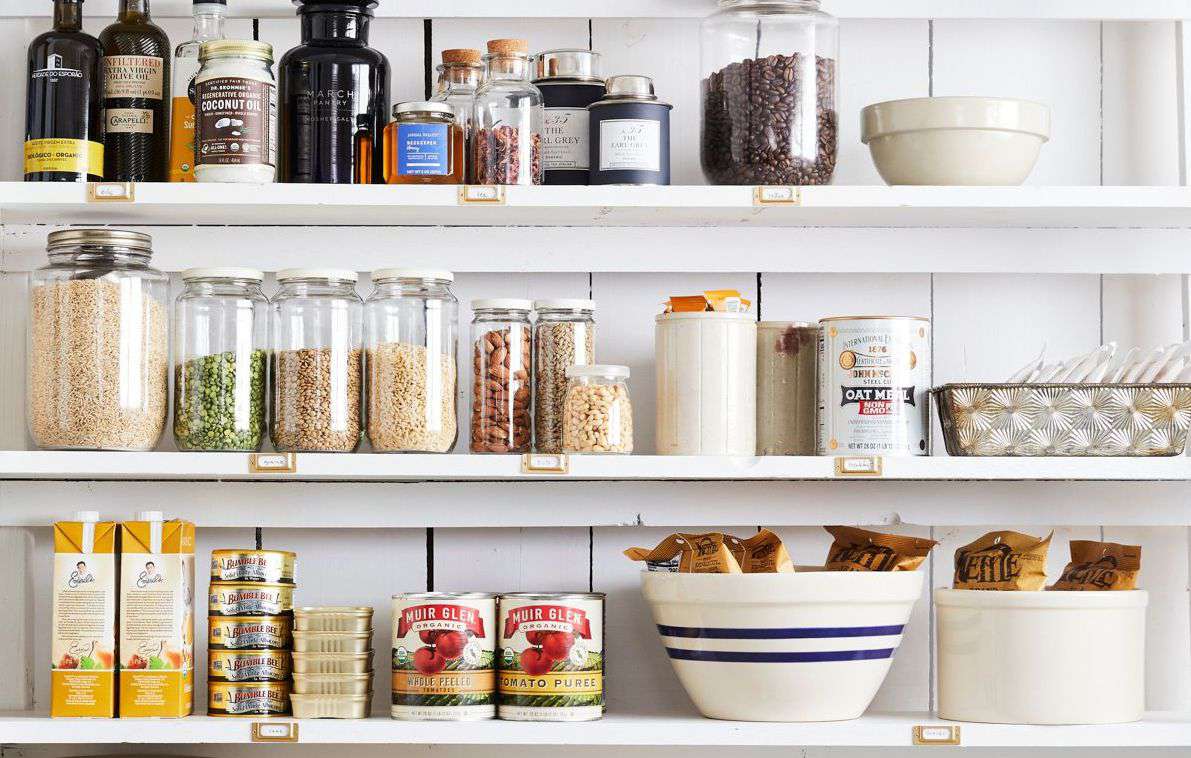
Transparent tubs with tight lids help preserve ingredients and allow quick identification. They work well for rice, oats, nuts and similar staples.
Placing flour and sugar in sturdy containers keeps them protected and reduces the risk of spills during busy cooking days.
Apply simple handwritten labels so contents are known at a glance. This small step removes guesswork and speeds up meal preparation. It also helps everyone in the home return things to their place. To build on this, group items by purpose.
Keep baking essentials in one zone, savoury ingredients in another, and snacks on a separate shelf.
Use baskets or bins to gather small packets that tend to drift across cupboards. These are ideal for sauces, instant noodles, or seasoning sachets.
Stackable containers are helpful in narrow cupboards because they make the most of height. Shelf risers also open hidden space and allow tins and jars to be arranged in neat rows that are easy to scan.
Match each container style to the cupboard so movement is smooth and shelves remain neat. With this approach, the pantry becomes a welcoming and efficient part of the home where everything has a clear purpose.
Clean the Space So It Feels Fresh and Ready
Cleaning helps create an environment where food stays safe and appealing.
Begin with warm soapy water and wipe the shelves until any residue lifts away. Pay attention to corners where small grains or crumbs gather. A handheld vacuum or soft brush will reach these areas with minimal effort.
Address sticky spots with a cloth dipped in mild detergent. Allow the surface to dry completely before moving on. Once cleaned, use a simple disinfectant spray to neutralise lingering bacteria. Leave the cupboard open for a short period so air can circulate.
Next, clean the door handles and edges since hands brush these areas regularly. Consider lining the shelves with washable mats to catch crumbs, which makes future cleaning simpler.
Additionally, keep a small kit nearby with a cloth, spray, and light brush to quickly resolve problems.
Check the cupboard once a week for minor spills or leaks to maintain order. The more often you address these issues, the more enjoyable the pantry becomes.
Organise Items to Support Everyday Cooking
Organisation is most effective when it reflects real habits. Place frequently used supplies where they’re easiest to reach.
Tea, coffee and breakfast cereals are best at eye level. Heavy or bulky items such as large bags of rice belong on lower shelves where they can be lifted safely.
Arrange ingredients according to how meals are planned. Keep oils, spices and canned tomatoes close together for quick dinner preparation.
Store baking goods, such as cocoa, yeast, and icing sugar, in a single section. This makes it easier to judge what’s available before starting a recipe.
Moreover, use the highest shelves for items used infrequently. Seasonal tins, additional paper goods or spare condiments work well there.
Introduce small lazy-Susan turntables for awkward corners since they keep jars accessible. Review these systems every few months and adjust them as routines evolve.
A motivated approach keeps the pantry practical, clear and responsive to the needs of the house.
Maintain Order With Simple Habits and Time-Saving Strategies
Keeping a pantry in good condition requires small actions repeated over time.
Begin by carrying out a short monthly check to remove old items and tidy sections that have become crowded.
A quick scan is usually enough to prevent clutter. When purchasing new food, place the older versions at the front so nothing is forgotten.
Deal with spills immediately so they don’t stain or attract pests. A damp cloth with light detergent removes most marks.
Oversized packets can be decanted into suitable containers, which frees up shelf space and keeps ingredients easy to manage.
To save time, keep a few essential tools nearby. A microfibre cloth, a gentle spray and a compact brush will handle most tasks. For stubborn residue, use an old toothbrush to reach patterned surfaces on jars or lids.
Furthermore, disposable shelf liners help catch crumbs so the space stays clean for longer. A small robotic vacuum can be left to move beneath the lower shelves, which keeps the floor tidy between deeper cleaning sessions.
When time is limited, reduce the number of items stored. A leaner pantry is easier to maintain and makes cooking more enjoyable.
For those who prefer external help, some companies offer cupboard organising as part of their property cleaning services. This hands-on support ensures a well-kept cupboard without compromising personal schedules.
Conclusion
A clear pantry brings order to the kitchen and supports daily cooking with quiet reliability.
Small, regular actions create a more efficient space that reflects the needs of the household.
With the right habits, this once overlooked cupboard becomes a dependable part of meals and routines.
About the Author