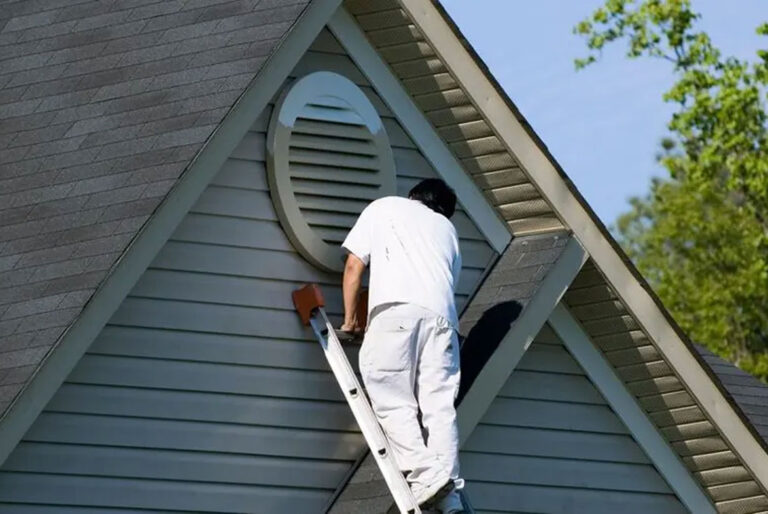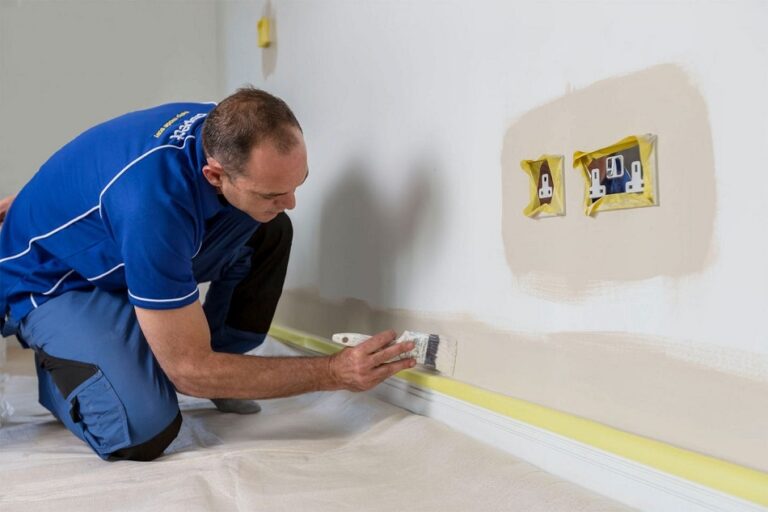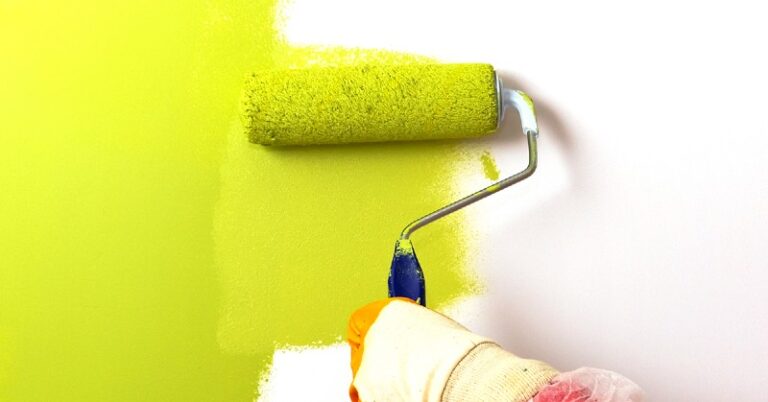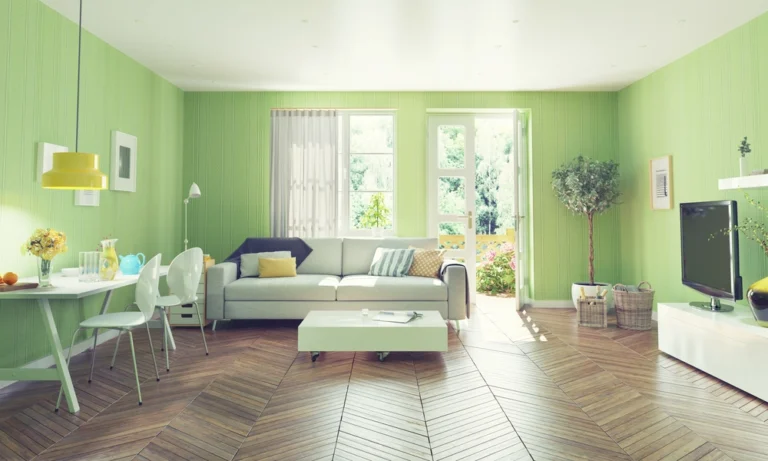

Interior painting refreshes a home faster than most improvements. Clean walls, sharp edges, and balanced colour change how a space feels. Yet homeowners often struggle to estimate the true cost. Prices vary by room size, surface condition, paint quality, and labour time. Understanding each cost element helps homeowners plan a decorating budget with confidence.
A clear cost guide begins with the basics. Labour, materials, preparation work, and room complexity impact the final price. Professional decorators calculate these elements carefully before starting any project.
Average Interior Painting Costs Per Room
Interior painting costs often depend on the size of the room and the number of surfaces requiring paint. Most decorators price work per room or per square metre.
A small bedroom usually costs between £180 and £350 for labour and materials. The room size normally ranges between 8 and 12 square metres. Standard work includes walls, light preparation, and two coats of emulsion.
A medium-sized bedroom or home office often falls between £250 and £450. This price covers walls, ceiling, and minor surface repairs.
A large living room may range from £400 to £750. High ceilings, large windows, and decorative mouldings increase labour time.
Painting a hallway and staircase costs more. These spaces involve awkward angles and ladder work. Typical prices range from £450 to £900, depending on height and complexity.
These figures represent average professional rates in many parts of the United Kingdom. Larger cities often command higher labour charges.
Interior Painting Cost Per Square Metre
Some decorators calculate the price based on square metre coverage. This approach helps when working on large open spaces or entire homes.
Professional interior painting usually ranges between £8 and £18 per square metre. The final price depends on surface preparation and the type of paint.
Smooth plaster with minimal repairs costs less. Damaged plaster, peeling paint, or uneven surfaces increase labour time and therefore increase the price.
Decorators also consider ceiling height. Tall walls require ladders or platforms, which slow the painting process.
Paint Costs and Material Prices
Paint quality affects both appearance and durability. Professional decorators recommend trade-quality paints because they offer stronger coverage and longer life.
Standard trade emulsion paint costs between £35 and £70 for a 10 litre tin. This quantity usually covers around 60 to 80 square metres per coat, depending on the wall surface.
Premium brands cost more. They deliver richer colour and smoother coverage. Many decorators prefer these paints because they reduce the need for extra coats.
Other materials add to the cost:
- Primer or undercoat: £20 to £35 per tin
- Woodwork paint: £25 to £45 per tin
- Filler and preparation compounds: £10 to £25
- Masking tape and protective sheets: £10 to £30 per room
Although materials rarely form the highest cost, high-quality paint improves durability and finish.
Surface Preparation Costs
Preparation plays a major role in interior painting. Walls often require repairs before decorators apply paint.
Typical preparation work includes:
- Filling cracks and dents
- Sanding uneven surfaces
- Removing flaking paint
- Sealing stained or patched areas
Minor preparation may add £40 to £80 per room. Heavily damaged surfaces require more work. Large plaster repairs or stain sealing can add £120 or more.
Older homes often require extra preparation. Previous paint layers, hairline cracks, and uneven plaster demand careful repair before new paint goes on.
Proper preparation ensures the new coating sits flat and lasts longer.
Ceiling and Woodwork Painting Costs
Many homeowners focus on walls. Yet ceilings and woodwork also require attention.
A standard ceiling repaint costs £70 to £160, depending on room size. Ceilings require steady roller work and careful cutting along edges.
Skirting boards, door frames, and window trims also add labour time. Painting woodwork in one room costs £60 to £150.
Gloss or satin finishes often require primer plus two coats. This increases both labour time and material use.
Detailed woodwork, such as panelled doors or decorative mouldings, increases the cost.
Factors That Increase Interior Painting Costs
Several factors push the price higher. Decorators assess these before providing a quote.
- High ceilings: ladder work slows progress
- Complex layouts: alcoves, arches, and built-in units require detailed brushwork
- Dark to light colour changes: additional coats may be required
- Wallpaper removal: removing wallpaper adds labour before painting begins
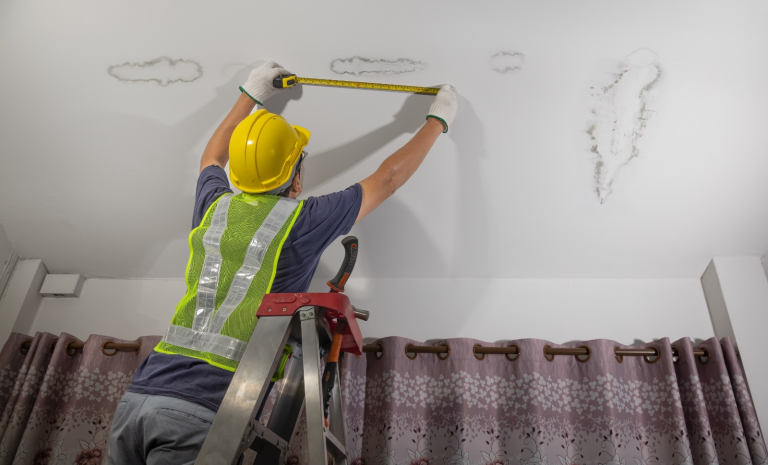
- Extensive repairs: cracked plaster or water stains increase preparation time
Each factor adds hours to the project.
Professional decorators price work based on time and surface condition. Straightforward rooms cost less because they require fewer repairs and faster painting.
Cost of Painting an Entire Home Interior
Painting a full house interior provides better value per room because decorators complete work in sequence.
Typical prices in the UK include:
- Two-bedroom house interior: £1,500 to £3,000
- Three-bedroom house interior: £2,200 to £4,500
- Four-bedroom house interior: £3,500 to £6,500
These figures include walls, ceilings, and basic woodwork painting.
Large homes with tall staircases or extensive repairs may exceed these estimates.
Professional Labour Rates
Professional decorators often charge a daily labour rate. In many areas across the UK, decorators charge between £150 and £250 per day.
This rate reflects skill, experience, and equipment costs.
A single room may take one full day, including preparation and two paint coats. Larger spaces or detailed areas may take two or three days.
Reliable decorators focus on clean edges, smooth coverage, and careful preparation. Labour time therefore forms the largest portion of most painting quotes. Industry bodies such as the Painting and Decorating Association provide professional guidance and standards for decorators across the UK.
Planning an Interior Painting Budget
Accurate planning prevents unexpected costs. Homeowners should consider room size, paint quality, preparation needs, and woodwork finishing before requesting quotes.
Professional decorating improves appearance and protects interior surfaces from wear. With careful budgeting and quality materials, homeowners achieve a fresh interior that lasts for years.
Clean lines. Even colour. Smooth walls. Proper planning makes that result achievable.
About the Author