
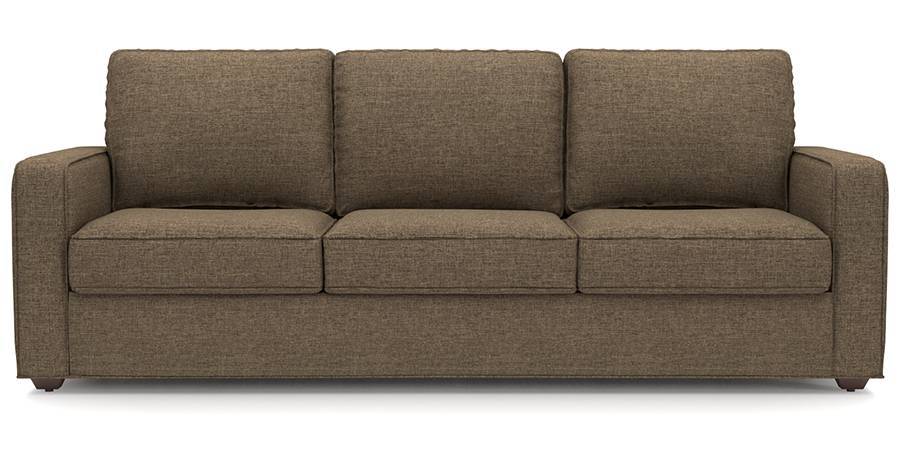
When it comes to interior design, the sofa is more than just a functional piece of furniture—it’s often the centerpiece of your living room. A well-chosen sofa can set the tone for the entire space, balancing comfort, style, and personality. One of the most exciting trends in modern interiors is mixing materials and textures in sofa upholstery, allowing homeowners and designers to create dynamic, layered looks that elevate a room’s aesthetic.
This approach goes beyond simply selecting a color or fabric. By combining different materials, patterns, and textures, you can create a sofa that is visually engaging, tactilely inviting, and perfectly tailored to your living environment. In this blog, we’ll explore how to effectively mix materials and textures in sofa upholstery, share trending ideas, and provide tips for incorporating these elements into your home.
Why Mixing Materials and Textures Works
The concept of mixing textures and materials is rooted in the idea of contrast. Just as a painter uses light and shadow to add depth to a canvas, combining different fabrics and finishes on a sofa adds dimension to your living room. The advantages of this trend include:
Visual Interest: A combination of fabrics like velvet and linen or leather and tweed can create an eye-catching centerpiece.
Tactile Experience: Varied textures invite touch, making your sofa feel cozy and inviting.
Design Flexibility: Mixing materials allows you to balance bold colors with neutral tones, patterns with solids, or matte with glossy finishes.
By thoughtfully combining materials, you can transform a standard sofa into a statement piece that enhances your entire décor scheme.
Trending Material Combinations for Sofas
Velvet and Linen
Velvet exudes luxury, softness, and elegance, while linen offers a breathable, casual feel. Pairing these two fabrics on a sofa—such as velvet cushions with a linen base—creates a sophisticated yet approachable look. This combination works well in both modern and transitional interiors.
Leather and Fabric
Leather is sleek, durable, and timeless, while fabric adds warmth and texture. Combining leather armrests or frames with fabric seating surfaces creates a balanced, functional design that is both stylish and practical for high-traffic living areas.
Wool and Cotton
Wool is naturally textured and cozy, perfect for cooler climates, whereas cotton is soft, light, and easy to maintain. A sofa upholstered with a mix of wool and cotton can be both durable and inviting, offering comfort while showcasing depth and texture.
Velvet and Patterned Fabrics
For a bold, statement-making sofa, pairing solid velvet with patterned fabrics like geometric prints or florals can create visual excitement. The key is to harmonize colors so that the pattern complements rather than overwhelms the solid material.
Tweed and Leather
Tweed’s textured, woven surface contrasts beautifully with the smooth, polished finish of leather. This combination adds a sophisticated, tactile element to the living room and works particularly well in classic or mid-century modern interiors.
Creative Ways to Incorporate Mixed Materials
Two-Tone Sofas
Choose two different upholstery fabrics for the base and cushions or backrest. For example, a linen sofa body with velvet seat cushions creates both visual and textural contrast.
Accent Panels
Add panels of contrasting material on the arms, sides, or back of the sofa. Leather panels on a fabric sofa can introduce durability where it’s needed most, while also adding design flair.
Cushions and Throws
If you’re hesitant to commit to a full sofa makeover, use cushions, throws, and slipcovers to experiment with textures. Combining knitted throws, velvet pillows, and patterned cushions can instantly elevate a plain sofa.
Mixing Patterns with Solids
Balance textured or patterned fabrics with solid colors. For instance, a tweed sofa base with velvet cushions in complementary shades creates depth without clashing.
Layering Materials in Modular Sofas
Modular sofas are perfect for experimenting with materials. Different modules can feature various fabrics or textures, allowing you to customize the look and adapt it over time.
Tips for Successfully Mixing Materials and Textures
Stick to a Cohesive Color Palette: Mixing textures is visually appealing, but keeping colors complementary prevents the sofa from feeling chaotic.
Balance Bold with Subtle: Pair a bold material like velvet with a neutral fabric to maintain harmony.
Consider Functionality: Some materials are more durable or easier to clean. Place hard-wearing fabrics in high-use areas and softer fabrics where comfort is a priority.
Think About Room Aesthetics: Match sofa materials to other elements like rugs, curtains, and décor for a cohesive design.
The Impact on Your Living Room
A sofa that combines different materials and textures does more than provide seating—it transforms your living room. It becomes a conversation starter, a tactile centerpiece, and a design focal point that reflects your personal style. By mixing textures, you can introduce warmth, depth, and luxury without overwhelming the space, making your living room feel inviting, layered, and contemporary.
Conclusion
Mixing materials and textures in sofa upholstery Abu Dhabi is a powerful way to elevate your living room. From velvet and linen combinations to leather and tweed pairings, the possibilities are virtually endless. By thoughtfully choosing materials, balancing textures, and experimenting with patterns, you can create a sofa that is visually captivating, comfortable, and uniquely yours.
Whether you’re designing a modern, minimalist space or a cozy, eclectic interior, innovative sofa upholstery ideas help your living room stand out, offering both style and substance. Embrace the trend of mixing materials, and turn your sofa into a true centerpiece of design excellence.
About the Author