
In today’s world, sustainability is no longer just a buzzword—it’s a lifestyle choice that influences every aspect of home design. From energy-efficient appliances to recycled décor, homeowners are increasingly conscious of the environmental impact of their choices. Furniture, traditionally seen as functional and decorative, has become a key area where sustainability and style intersect. Sustainable furniture not only reduces environmental footprints but also elevates the aesthetic and functionality of modern homes.
In this article, we explore the latest trends in eco-friendly furniture, the materials and designs driving this movement, and why investing in sustainable pieces is a smart choice for both the planet and your living space.
Why Sustainable Furniture Matters
Furniture production has historically relied on materials and processes that can harm the environment. Deforestation, chemical finishes, and waste from manufacturing contribute to pollution and resource depletion. Sustainable furniture challenges this model by prioritizing eco-friendly materials, responsible sourcing, and longevity.
Choosing eco-friendly furniture isn’t just about environmental responsibility—it also means higher quality. Sustainable pieces are designed to last longer, reducing the need for frequent replacements. This approach saves money in the long term while supporting ethical craftsmanship.
Key Materials Driving Sustainable Furniture Trends
Reclaimed Wood
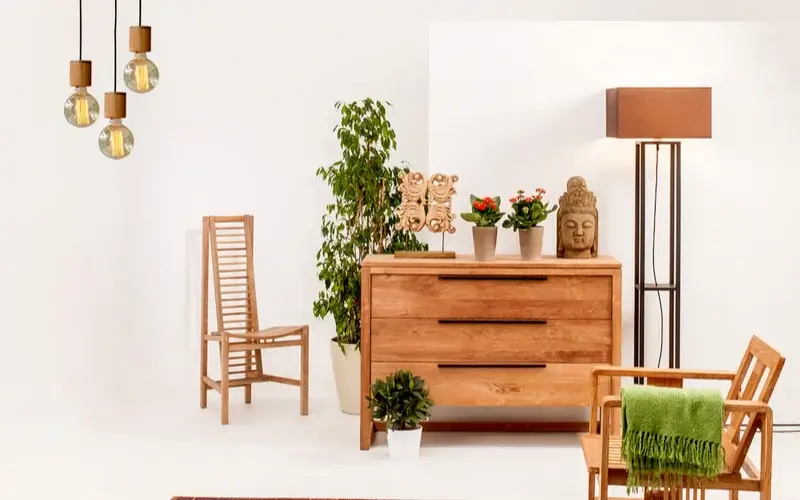
One of the most popular trends in sustainable furniture is the use of reclaimed or recycled wood. Old barns, shipping pallets, and decommissioned furniture are transformed into stunning tables, chairs, and cabinetry. This approach reduces deforestation and adds a unique character to each piece, often featuring natural imperfections that make it one-of-a-kind.
Bamboo
Bamboo is a fast-growing, renewable resource that has become a staple in eco-friendly furniture design. Its strength and flexibility make it ideal for everything from flooring and chairs to beds and shelving. Bamboo furniture not only looks sleek and modern but also grows back quickly, making it a highly sustainable choice.
Recycled Metals and Plastics
Innovative designers are turning post-consumer materials into stylish furniture pieces. Recycled aluminum, steel, and plastics are now used in everything from minimalist chairs to statement lighting. This trend reduces landfill waste while creating durable and contemporary designs.
Organic Fabrics
Sofas, cushions, and upholstery made from organic cotton, hemp, or linen are increasingly popular. These fabrics are grown without harmful chemicals, reducing environmental pollution. Additionally, many brands offer natural dye options, minimizing toxic runoff while providing soft, breathable textures for interiors.
Trending Eco-Friendly Furniture Designs
Minimalist and Modular Furniture
Modern homeowners love furniture that is versatile, functional, and low-impact. Minimalist designs focus on clean lines, neutral colors, and simple forms, while modular furniture allows pieces to adapt to changing spaces. This reduces the need for multiple purchases, aligning with sustainable living principles.
Upcycled and DIY Creations
DIY and upcycled furniture have gained momentum as homeowners seek unique, budget-friendly solutions. Repurposing old furniture or materials into stylish pieces encourages creativity while keeping waste out of landfills. For example, turning an old wooden crate into a coffee table or refurbishing a worn-out chair with new upholstery can give a second life to discarded items.
Vintage and Second-Hand Furniture
The vintage and second-hand market has seen a resurgence, driven by the sustainability movement. Choosing pre-owned furniture prevents unnecessary manufacturing and offers character and history that new pieces often lack. Online marketplaces and boutique shops now make it easy to find high-quality, pre-loved furniture.
The Benefits of Sustainable Furniture
Environmental Impact
The most obvious advantage is the positive impact on the environment. Sustainable furniture reduces deforestation, minimizes chemical use, and limits landfill waste. By opting for eco-friendly pieces, homeowners contribute to a healthier planet.
Health and Safety
Eco-friendly furniture often avoids harmful chemicals like formaldehyde and toxic paints found in conventional furniture. This makes your living space safer, particularly for children, pets, and those with allergies.
Longevity and Durability
Sustainable furniture is typically made with high-quality materials designed to last. Investing in pieces built to withstand wear and tear reduces the frequency of replacements, saving money and resources over time.
Unique Style and Story
Each sustainable piece often comes with a story—whether it’s reclaimed wood, upcycled materials, or artisanal craftsmanship. These stories add depth and personality to your home décor, making your interiors truly one-of-a-kind.
How to Incorporate Sustainable Furniture Into Your Home
Start Small: Replace high-use pieces like dining tables, chairs, or sofas with sustainable alternatives.
Mix and Match: Combine new eco-friendly furniture with vintage or upcycled finds for a layered, personalized look.
Prioritize Quality: Invest in durable materials and classic designs that won’t go out of style quickly.
Support Ethical Brands: Look for furniture companies committed to sustainability, fair labor practices, and responsible sourcing.
Conclusion
Sustainable furniture trends are redefining modern homes by combining environmental responsibility with style and functionality. From reclaimed wood tables to modular bamboo shelving and organic fabrics, homeowners now have a wealth of eco-friendly options that suit any aesthetic.
By investing in sustainable furniture Dubai, you not only reduce your ecological footprint but also create a living space that is healthier, more durable, and uniquely yours. As eco-conscious choices continue to shape interior design, adopting sustainable furniture isn’t just a trend—it’s a forward-thinking approach to modern living.
About the Author