
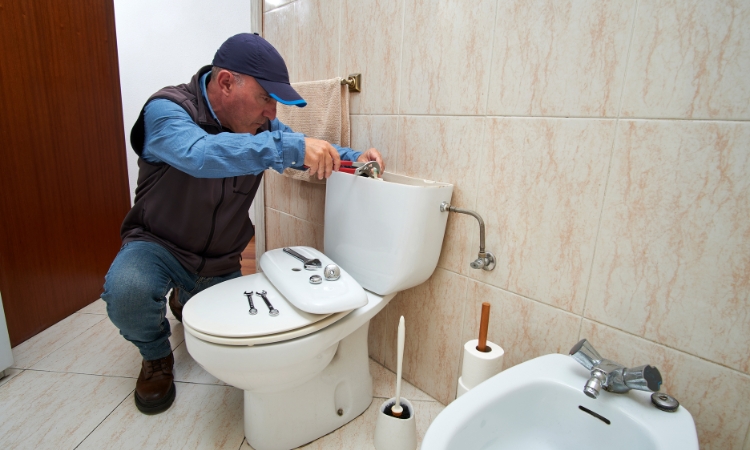
Toilet leakage in Singapore affects households across every housing estate, from Bukit Merah to Punggol, from private condominiums to rental flats, creating a common thread of frustration that connects residents regardless of their postal codes. During my conversations with families across the island, I have heard the same story repeated in different accents and circumstances: the discovery of water pooling near the toilet base, the anxiety of watching utility bills climb without explanation, the dread of confronting landlords or neighbours about damage caused by invisible seepage. These are not merely plumbing problems but daily stresses that compound the already considerable pressures of maintaining a home in one of the world’s most expensive cities.
The Democracy of Leaking Toilets
What strikes anyone studying housing maintenance issues in Singapore is how toilet leaks respect no boundaries of wealth or status. In a three-room HDB flat in Toa Payoh, a retired couple carefully monitors every dollar spent, and a leaking toilet represents both wasted water charges and the difficult choice between calling a plumber or attempting a repair themselves. In a Tiong Bahru conservation flat, young professionals face the same dilemma, though perhaps with different financial implications. The physics of failing fixtures operates identically whether the toilet sits in public or private housing.
Yet the consequences diverge sharply. For households operating on tight budgets, where every month involves careful calculations about necessities, an unexpected plumbing repair can cascade into other compromises. Do you fix the leak immediately or wait until after paying school fees? As one resident in Woodlands told me, “Sometimes you know something is wrong, but you hope it can wait another month.”
Why Toilets Fail: The Common Culprits
Understanding toilet water singapore requires looking at the specific conditions that accelerate fixture deterioration in this environment. The mechanisms of failure prove remarkably consistent:
- Rubber flapper valves degrading under constant chlorine exposure
- Fill valve mechanisms wearing out from continuous cycling
- Wax seals at the toilet base deteriorating in tropical heat
- Plastic and metal components corroding faster than in temperate climates
- Improper initial installation creating vulnerabilities
- Age-related porcelain micro-cracking allowing seepage
- Loose mounting bolts compromising base seals
Singapore’s treated water, while meeting stringent quality standards, contains disinfectants that gradually break down rubber components. The heat and humidity accelerate these processes. A flapper valve rated for ten years in London might last six in Singapore. As a veteran plumber working primarily in HDB estates explained, “The manufacturers test in their countries. Our weather is different. Everything ages faster here.”
The Hidden Costs Nobody Mentions
What official statistics about Singapore toilet leakage rarely capture are the indirect costs borne by residents. Consider Mrs. Tan, whose upstairs neighbour’s toilet leaked through her ceiling for three months before the problem was acknowledged. The water damage required repainting, replaced her son’s textbooks stored on a high shelf, and created ongoing tension in a building where neighbours must maintain harmony. Her insurance did not cover the damage, and recovering costs from the neighbour proved awkward and ultimately unsuccessful.
Or consider the family renting a flat where toilet seepage originated from ageing fixtures. The landlord, living overseas, responded slowly to repair requests. Meanwhile, the family’s water bill increased by forty dollars monthly. Who absorbs this cost? Contractually, tenants pay utilities, yet the leak resulted from maintenance failures beyond their control. These grey areas create stress and conflict.
“When you are renting, you feel helpless,” one tenant told me. “You report the problem, but you cannot force action. Meanwhile, you are paying for water that just runs away.”
Practical Solutions for Common Problems
Addressing leaking toilet Singapore issues often requires less technical expertise than residents imagine. Many common problems yield to straightforward interventions:
- Flapper replacement, costing under twenty dollars and requiring basic tools
- Fill valve adjustment, often needing only a screwdriver
- Tank-to-bowl bolt tightening to stop exterior seepage
- Supply line connection checking and tightening
- Wax ring replacement, more involved but manageable with online tutorials
- Complete fixture replacement as a longer-term solution
The challenge lies not in technical complexity but in access to knowledge and confidence. Residents with educational advantages readily find repair videos and troubleshooting guides. Those less comfortable with English-language online resources or lacking internet access face higher barriers. The plumber becomes their only option, but plumber rates in Singapore start at significant minimums that make minor repairs expensive propositions.
Building Maintenance Literacy
Singapore’s housing policies have created home ownership rates exceeding 90 per cent, an extraordinary achievement with profound social benefits. Yet ownership brings maintenance responsibilities that not all households feel equally prepared to handle. Building maintenance literacy, including basic plumbing competence, represents a form of cultural capital that reduces household expenses and stress.
Community centres and residents’ committees could play valuable roles here, hosting practical workshops on common maintenance issues. Some estates have begun such programmes, teaching residents to identify and address minor problems before they become major ones. These initiatives particularly benefit elderly residents living alone and lower-income families for whom every service call represents significant expense.
Towards Sustainable Maintenance
Water conservation in Singapore extends beyond national infrastructure to individual fixtures. Every repaired leak contributes to collective resource management. Every household that learns to identify and address toilet leakage singapore early reduces waste and prevents the compounding problems that seepage creates, from structural damage to neighbourly disputes. In a city where housing costs dominate household budgets, competent maintenance literacy becomes not merely practical knowledge but economic necessity.
About the Author