
When winter arrives and the chill sets in, heating oil is a go-to fuel source for many homeowners looking to stay warm. While it’s a reliable and effective heating option, it’s essential to follow safety precautions to ensure your home, family, and equipment are protected from potential hazards. Whether you’re new to ordering from local heating oil shropshire or have used it for years, these safety tips can help you maintain a safe, efficient heating system.
1. Proper Storage of Heating Oil
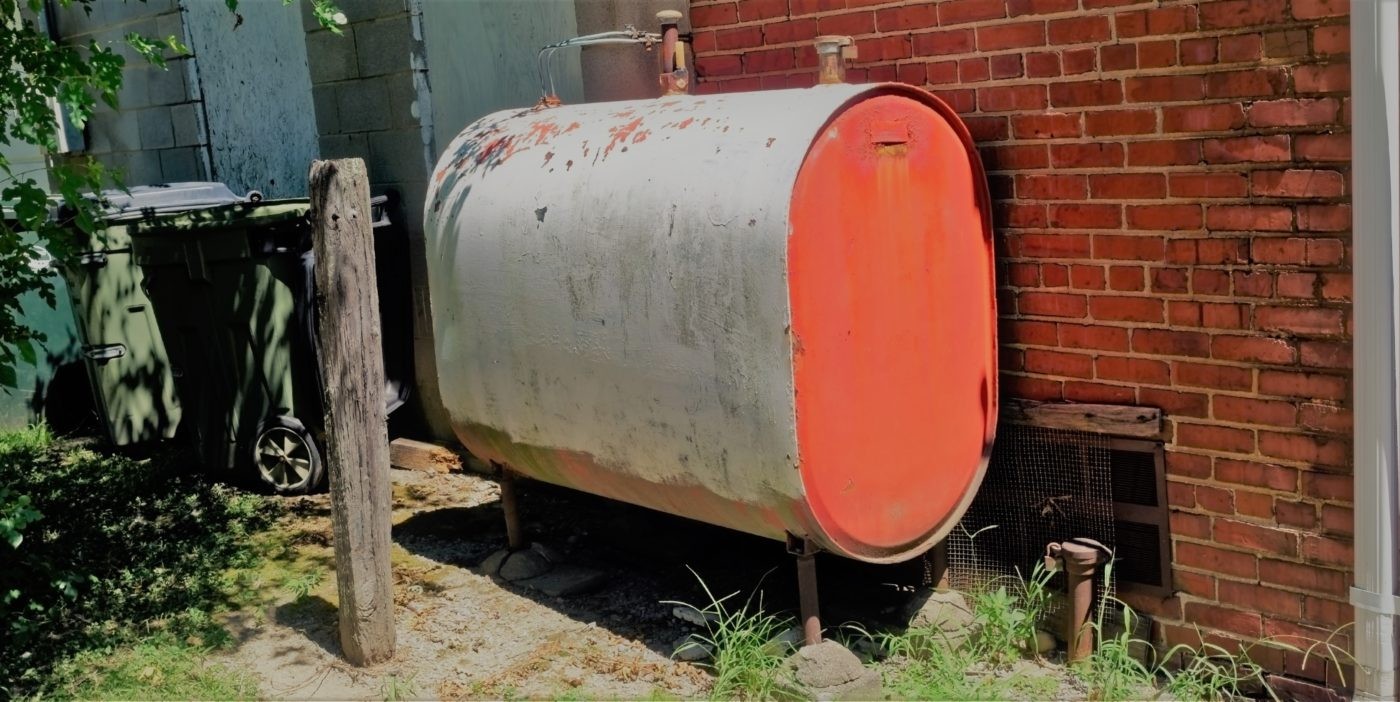
Domestic heating oil should always be stored safely to avoid leaks and contamination. Ensure your storage tank is in good condition and situated in a well-ventilated, dry area. Tanks should be placed on stable surfaces that prevent tipping or movement.
- Check the Tank Regularly: Inspect the tank for rust, cracks, or leaks. Any damage to the tank should be addressed immediately to avoid oil spills or dangerous situations.
- Use a Certified Tank: Only use tanks that are specifically designed for heating oil. Certified tanks meet safety standards, providing extra peace of mind.
2. Install and Maintain a Carbon Monoxide Detector
Heating oil systems typically use combustion to generate heat, which can produce carbon monoxide (CO) if the system is not functioning properly. CO is a colorless, odorless gas that can be deadly when inhaled in high concentrations.
- Install CO Detectors: Make sure to install a carbon monoxide detector on every floor of your home, especially near sleeping areas.
- Test Detectors Regularly: Check the batteries and functionality of your detectors monthly. Replace them if they start to malfunction.
- Know the Symptoms of CO Poisoning: Symptoms include headaches, dizziness, nausea, and confusion. If you suspect carbon monoxide poisoning, evacuate the home and call emergency services immediately.
3. Routine Maintenance and Inspection
Regular maintenance is key to keeping your heating oil system running smoothly and safely. Hire a licensed technician to perform an annual inspection and cleaning of the oil burner, tank, and chimney or vent system.
- Check the Fuel Line: Ensure there are no leaks or blockages in the fuel line that could prevent your heating system from working correctly or result in hazardous spills.
- Oil Burner Cleaning: Oil burners accumulate soot and debris over time, reducing efficiency and increasing the risk of a malfunction. A thorough cleaning will ensure the system runs efficiently and safely.
4. Never Run Out of Heating Oil
Running out of heating oil in the middle of winter can leave you without heat and put additional stress on your heating system. A sudden lack of oil may cause air to enter the system, resulting in airlocks that can prevent the burner from igniting properly.
- Monitor Oil Levels: Regularly check your oil levels and plan ahead for refills, especially during peak winter months.
- Set Up Automatic Deliveries: Many oil suppliers offer automatic delivery services to ensure you never run out of fuel. This can provide added convenience and peace of mind.
5. Store Heating Oil Safely
If you use heating oil in portable tanks, such as for space heaters or emergency heating, always store these containers in a well-ventilated, dry area. Never store oil in a garage or near any sources of heat or open flames.
- Use Appropriate Containers: Only use containers designed for fuel storage. Avoid using empty containers that previously held other liquids, as they may be hazardous.
6. Ventilation is Key
Proper ventilation is crucial to ensure that combustion gases from the heating oil burner are safely vented outside your home. Blocked vents can lead to dangerous conditions, such as carbon monoxide buildup.
- Inspect Vents and Chimneys: Regularly check and clean any vents or chimneys to ensure they are not blocked by debris, snow, or ice.
- Avoid Obstructions: Make sure no objects are placed in front of your heating system’s vents or exhaust pipes.
7. Be Prepared for an Emergency
Even with proper maintenance and safety precautions, emergencies can still occur. Be sure to have a plan in place for dealing with oil spills, leaks, or system malfunctions.
- Know the Emergency Shutoff Valve Location: Familiarise yourself with the location of the oil tank’s emergency shutoff valve. This can help you prevent further damage in case of a leak or spill.
- Have Cleanup Supplies: Keep an oil spill cleanup kit on hand, especially if you store heating oil outside. The kit should include absorbent pads, gloves, and safety gear.
8. Follow Local Regulations
Check local building codes and regulations regarding the installation and maintenance of oil heating systems. Some areas have specific rules about the placement and size of tanks, venting systems, and safety equipment.
- Hire Certified Professionals: Always hire certified professionals for installation, inspection, and repairs. A licensed technician will be familiar with local codes and ensure your system is safe and efficient.
Final Thoughts
Heating oil is a dependable and efficient way to stay warm during the colder months, but it requires careful handling and maintenance to ensure your home remains safe. By following these heating oil safety tips—proper storage, regular inspections, CO monitoring, and preparation for emergencies—you’ll be able to enjoy a warm, secure home throughout the winter.
Stay proactive about safety, and if you’re unsure about any aspect of your heating oil system, don’t hesitate to reach out to a licensed professional. Safety should always be your top priority!