

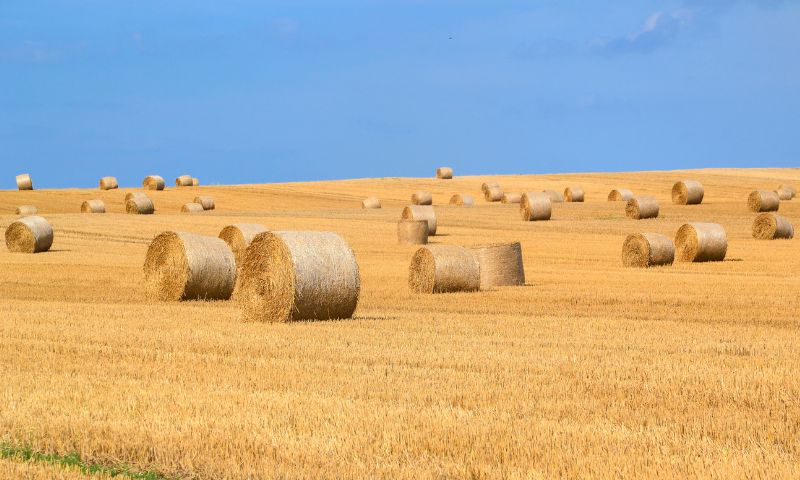
In the realm of agricultural practices, efficiency and protection are paramount. One innovation that has significantly impacted the industry is bulk net wrap. Revolutionizing the way farmers package and store hay, straw, and silage, this solution has become indispensable in modern farming. Let’s delve into the world of bulk net wrap, exploring its benefits, applications, and evolution.
Understanding Bulk Net Wrap
Bulk net wrap is a specialized packaging material primarily used in the agricultural sector for bundling and protecting harvested crops. It is commonly made from high-density polyethylene (HDPE) material, offering durability and resistance to tearing and UV degradation. The wrap is available in various widths and lengths to accommodate different bale sizes and shapes, providing versatility to farmers.
Enhancing Efficiency
One of the most significant advantages of bulk net wrap is its ability to streamline the baling process. Unlike traditional methods such as twine, net wrap can be applied quickly and efficiently, reducing downtime during harvesting. With its automated application systems, farmers can achieve higher baling speeds, allowing them to cover more ground in less time.
Ensuring Crop Protection
Beyond efficiency, bulk net wrap plays a crucial role in safeguarding harvested crops. By tightly encasing bales, it creates a protective barrier against weather elements such as rain, wind, and sunlight. This protection minimizes the risk of spoilage, mold growth, and nutrient loss, preserving the quality and nutritional value of the stored fodder. Additionally, the open-weave design of the net wrap facilitates airflow, preventing the buildup of moisture that can lead to deterioration.
Applications Across Industries
Bulk net wrap finds applications across various agricultural sectors, including livestock farming, dairy production, and equine husbandry. In livestock operations, wrapped bales serve as essential feed sources, ensuring animals receive nutritious fodder throughout the year. Dairy farmers rely on net-wrapped silage bales to maintain high-quality feed for their cattle, contributing to milk production and herd health. Similarly, equestrian facilities utilize wrapped hay bales to meet the dietary needs of horses, promoting optimal performance and well-being.
Evolution and Innovation
Over the years, bulk net wrap has undergone significant evolution and innovation to meet the changing needs of the agricultural industry. Manufacturers continue to refine the design and materials used, enhancing durability, UV stability, and recyclability. Advanced application technologies, such as bale wrappers and baler-integrated systems, further optimize efficiency and consistency in wrapping operations. Moreover, the development of biodegradable net wrap options underscores a growing emphasis on sustainability and environmental stewardship within the farming community.
Considerations for Farmers
While bulk net wrap offers numerous benefits, farmers should consider several factors when incorporating it into their operations. Proper bale density and tension are essential to ensure secure wrapping and optimal protection against external factors. Additionally, selecting the appropriate net wrap specifications based on crop type, baling equipment, and storage conditions is crucial for achieving desired results. Regular maintenance of baling machinery and adherence to recommended wrapping practices can prolong the lifespan of net wrap and maximize its effectiveness.
Conclusion
In conclusion, bulk net wrap stands as a cornerstone of modern agricultural practices, combining efficiency and protection to support sustainable crop management. Its widespread adoption across various sectors underscores its significance in enhancing productivity and preserving crop quality. As technology advances and environmental awareness grows, the evolution of bulk net wrap continues, promising continued improvements in performance and sustainability. For farmers seeking to optimize their harvesting and storage processes, investing in quality net wrap solutions can yield substantial benefits for their operations and the broader agricultural community.