

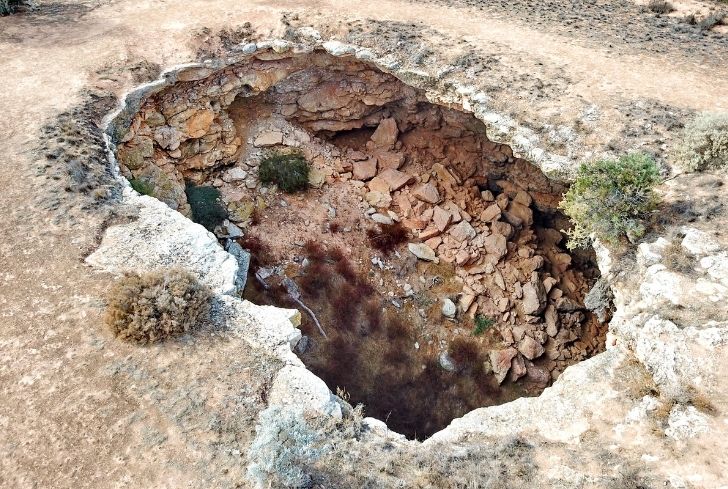
Sinkholes are a natural phenomenon that can occur in various parts of the world, including residential neighborhoods. These sudden depressions in the ground can pose significant risks to property and human safety.
Understanding the causes of sinkholes is crucial for homeowners and city planners to mitigate the potential damage they can cause. In this article, we will explore the primary factors that contribute to sinkhole formation in residential areas.
- Geological Factors
Sinkholes are often related to the geological composition of the land. Certain types of bedrock, such as limestone and gypsum, are more prone to dissolution by water. Over time, these soluble rocks’ dissolution can lead to underground cavities forming.
When the roof of these cavities collapses, a sinkhole is formed. This geological process is common in areas with karst topography, characterized by underground drainage systems and sinkholes.
- Water Sources and Drainage Pattern
The presence of water is a critical factor in sinkhole formation. Excessive rainfall or improper water management can contribute to the development of sinkholes. Water entering the ground can erode and dissolve the underlying soluble rocks, increasing the likelihood of sinkhole formation. Poorly designed or maintained drainage systems can also result in the accumulation of water, which adds pressure to the underground structures and potentially triggers sinkhole formation.
- Human Activities
Human activities can also play a significant role in sinkhole occurrence. Construction and excavation can disturb the natural equilibrium of the land, altering the water flow patterns and causing sinkholes to develop. For example, groundwater extraction from wells or the construction of underground structures can lead to the collapse of underground voids.
Additionally, the deposition of excess weight on the surface, such as through heavy buildings or landfilling accumulation, can increase stress on the underlying rocks and trigger sinkhole formation.
- Underground Infrastructure
Underground infrastructure, such as sewer lines and utility tunnels, can contribute to sinkhole development in residential neighborhoods. Over time, ageing infrastructure may deteriorate, leading to leaks or breaks in pipes.
These leaks can erode the surrounding soil and create voids, increasing the potential for sinkholes. According to sewer experts, the degradation of sewer pipes can significantly contribute to sinkhole formation in residential areas.
Preventing and Mitigating Sinkholes
Preventing sinkholes in residential neighborhoods can be challenging, but several measures can help reduce the risk:
- Proper Land Use Planning
Careful land use planning is essential to identify areas prone to sinkhole formation and to restrict construction in high-risk zones. Local authorities and developers should consider geological surveys and consult with experts to determine land suitability for building projects.
- Regular Maintenance of Infrastructure
Conducting routine inspections and maintenance of underground infrastructure, including sewer lines and utility tunnels, is crucial. Identifying and repairing leaks or breaks promptly can help prevent soil erosion and subsequent sinkhole formation.
- Efficient Water Management
Implementing effective water management practices, such as proper stormwater drainage systems and water conservation measures, can minimize water accumulation and reduce the potential for sinkholes.
- Educating Homeowners
Homeowners should be aware of the geological conditions in their area and take precautions accordingly. Understanding the signs of sinkhole formation, such as cracks in the ground or unusual depressions, can help homeowners identify potential risks and seek professional assistance.
Sinkholes in residential neighborhoods can significantly threaten property and human safety. By understanding the causes of sinkhole formation and implementing preventive measures, homeowners and city planners can reduce the risk and mitigate potential damage. Geological factors, water sources, human activities, and underground infrastructure all play a role in the occurrence of sinkholes.